The cordyceps supplement market is crowded with products of dramatically varying quality. Most consumers cannot distinguish between premium standardised extracts and inexpensive generic powders that may contain little active compound. This detailed comparison clarifies the specific quality markers that separate authentic, effective cordyceps products from underperforming alternatives.
Cordycepin content is the first and most important comparison point. Many generic cordyceps powders contain less than 0.1% cordycepin — barely detectable amounts. Quality standardised extracts deliver 0.5–1% or higher, with batch-level HPLC verification. PeptideComb cordyceps products are standardised to verified cordycepin content stated on the label and confirmed by independent testing.
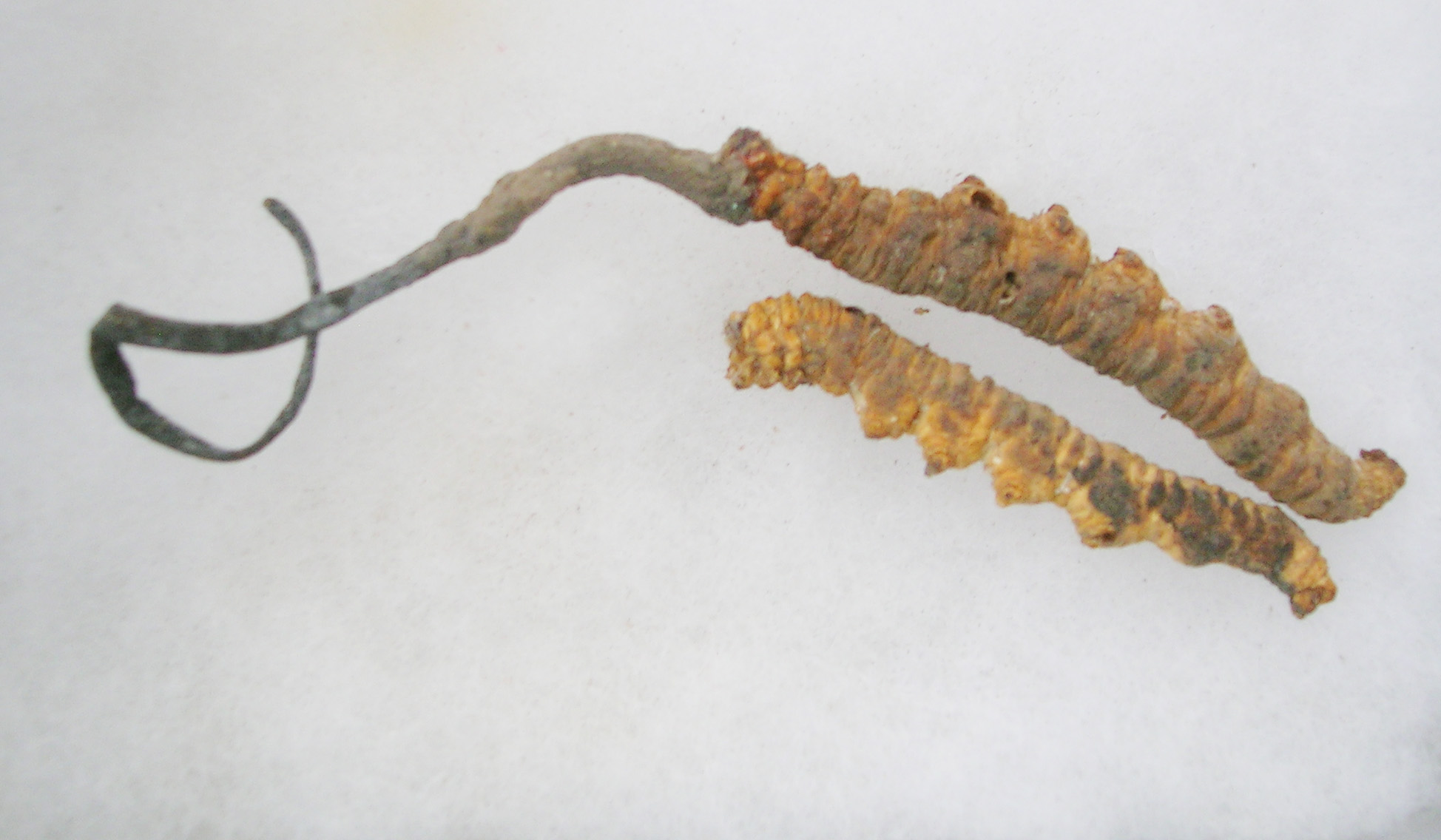
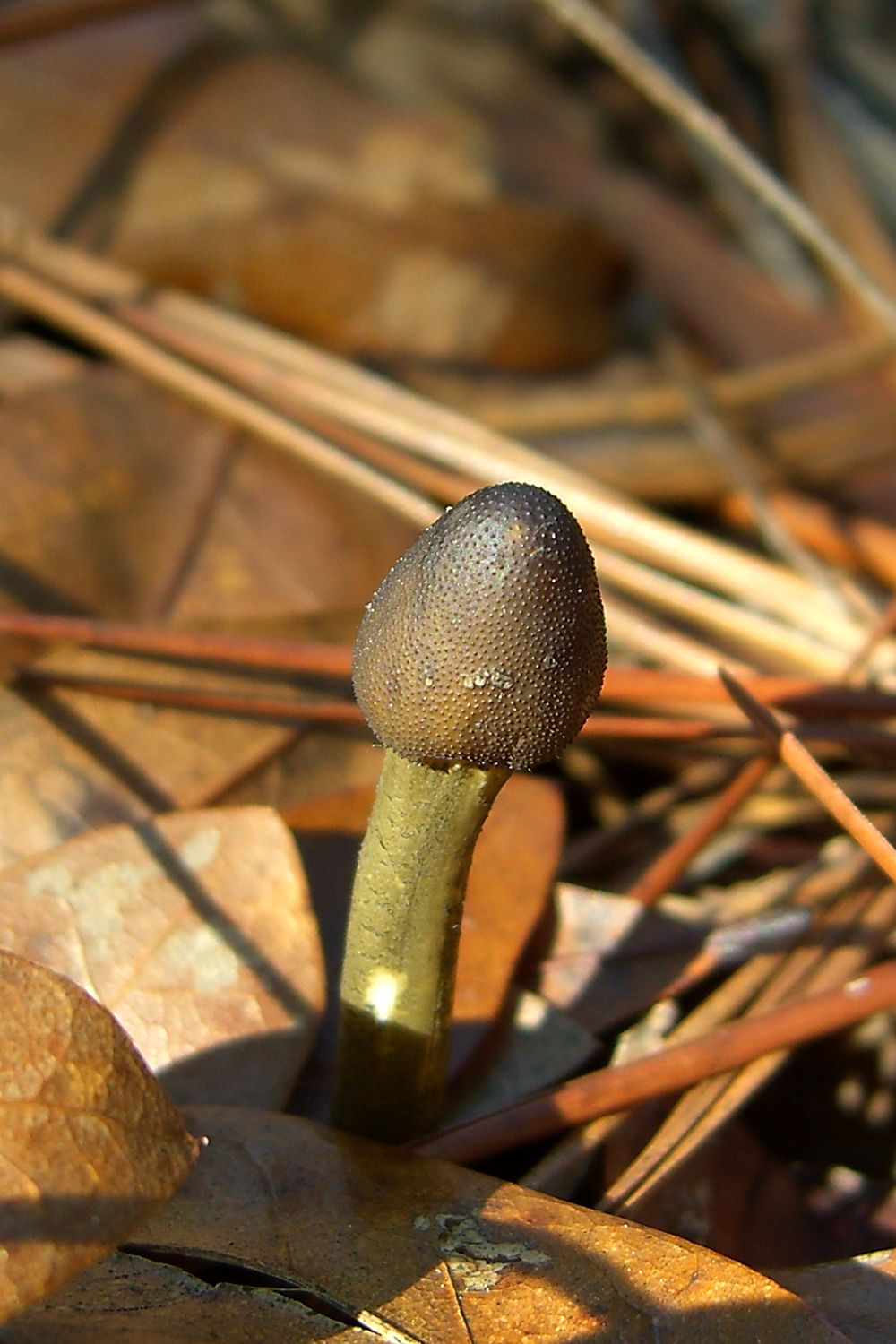
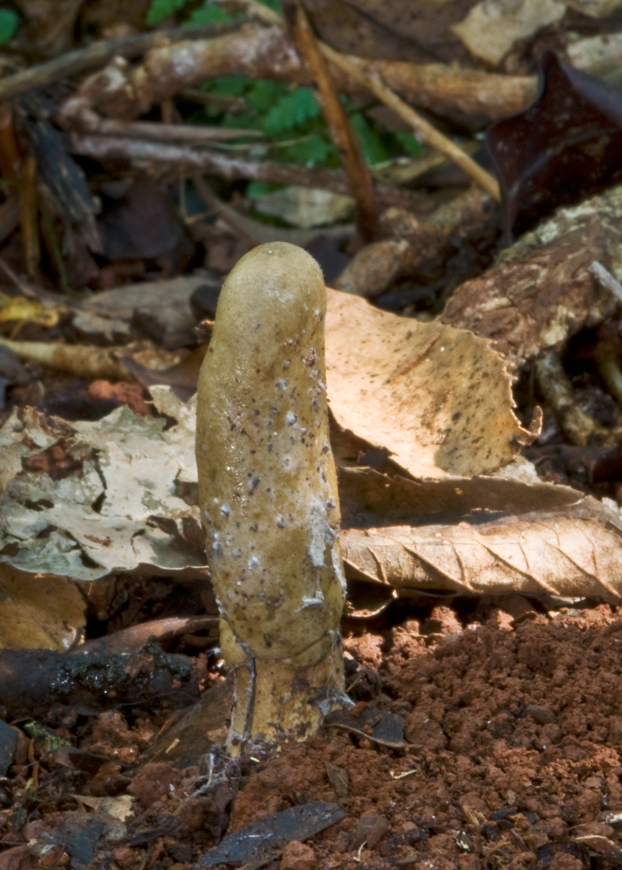
Source matters enormously. Wild Cordyceps sinensis from the Tibetan plateau is rare and prohibitively expensive. Most premium modern supplements use cultivated Cordyceps militaris, which when grown on appropriate substrate under controlled conditions matches or exceeds wild cordycepin content. Beware of products that claim wild Cordyceps sinensis at supermarket prices — this is almost certainly mislabelled.
Manufacturing standards complete the picture. European GMP-certified facilities provide microbial safety, heavy metal testing and dose accuracy that bargain-bin supplements skip. PeptideComb sources only from audited European production partners, with batch certificates of analysis available on request.
When comparing cordyceps products, ask three questions: What is the verified cordycepin content per dose? Where was it grown and how was it cultivated? What manufacturing standards and third-party testing apply? Products without clear answers should be avoided in favour of those with full transparency.