Cordyceps is one of the most extensively researched medicinal mushrooms in modern phytotherapy. Used for centuries in Tibetan and Chinese herbal traditions, its modern reputation as an adaptogen for energy, endurance and immunity is supported by a growing body of pharmacological research — including the comprehensive herb profile maintained by Memorial Sloan Kettering Cancer Center.
The active compounds — cordycepin, polysaccharides and adenosine analogues — work through several mechanisms. Cordyceps extracts have been shown to improve cellular ATP production and enhance oxygen utilisation in working muscle, and modulate immune responses by balancing T-helper and natural killer cell activity. A 2010 randomised trial demonstrated significant improvements in VO2 max in healthy older adults supplementing with Cordyceps sinensis. Athletes use it to support VO2 max; older adults use it for general vitality. An independent evidence summary for Cordyceps is available at Examine.com.
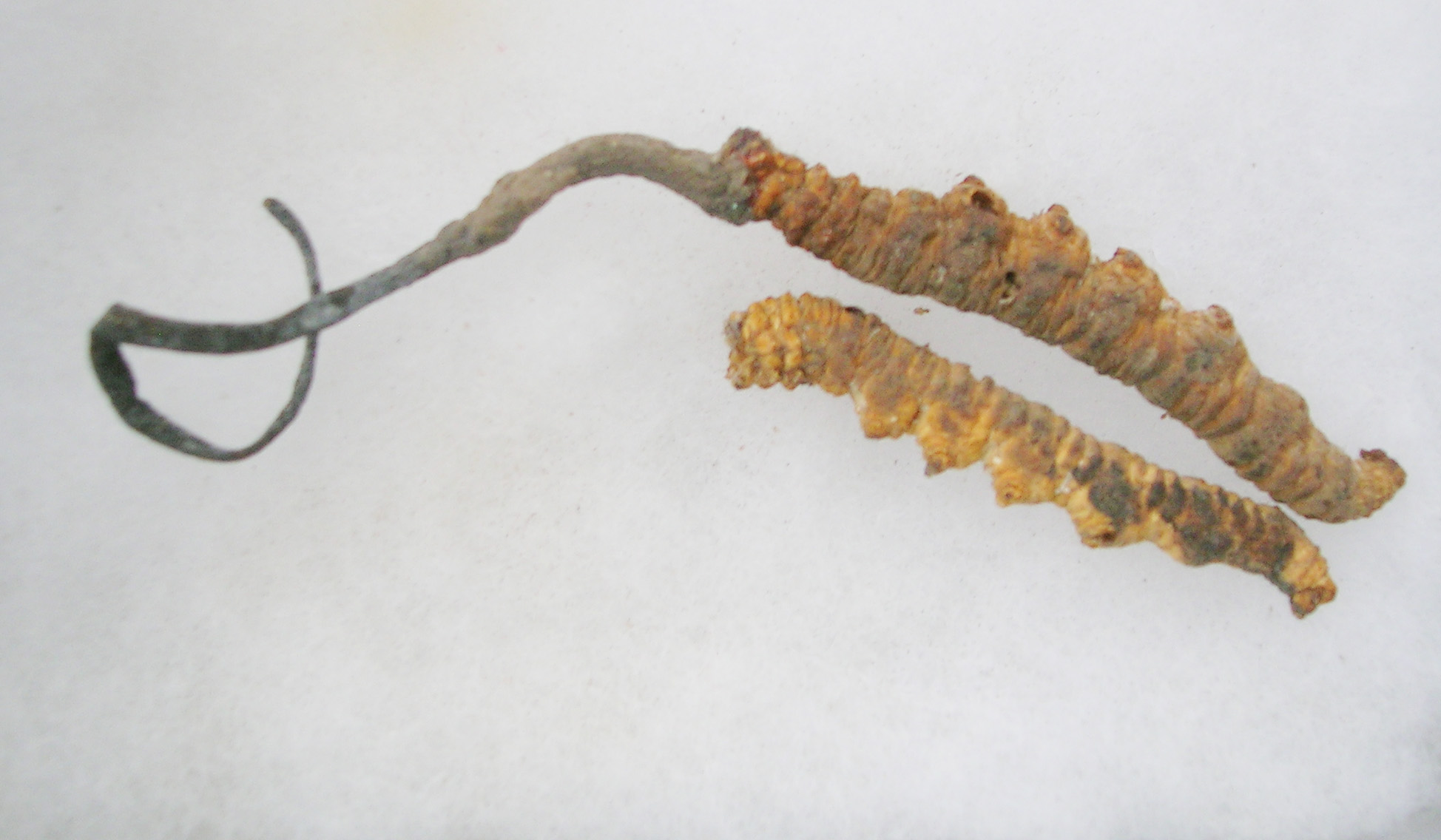
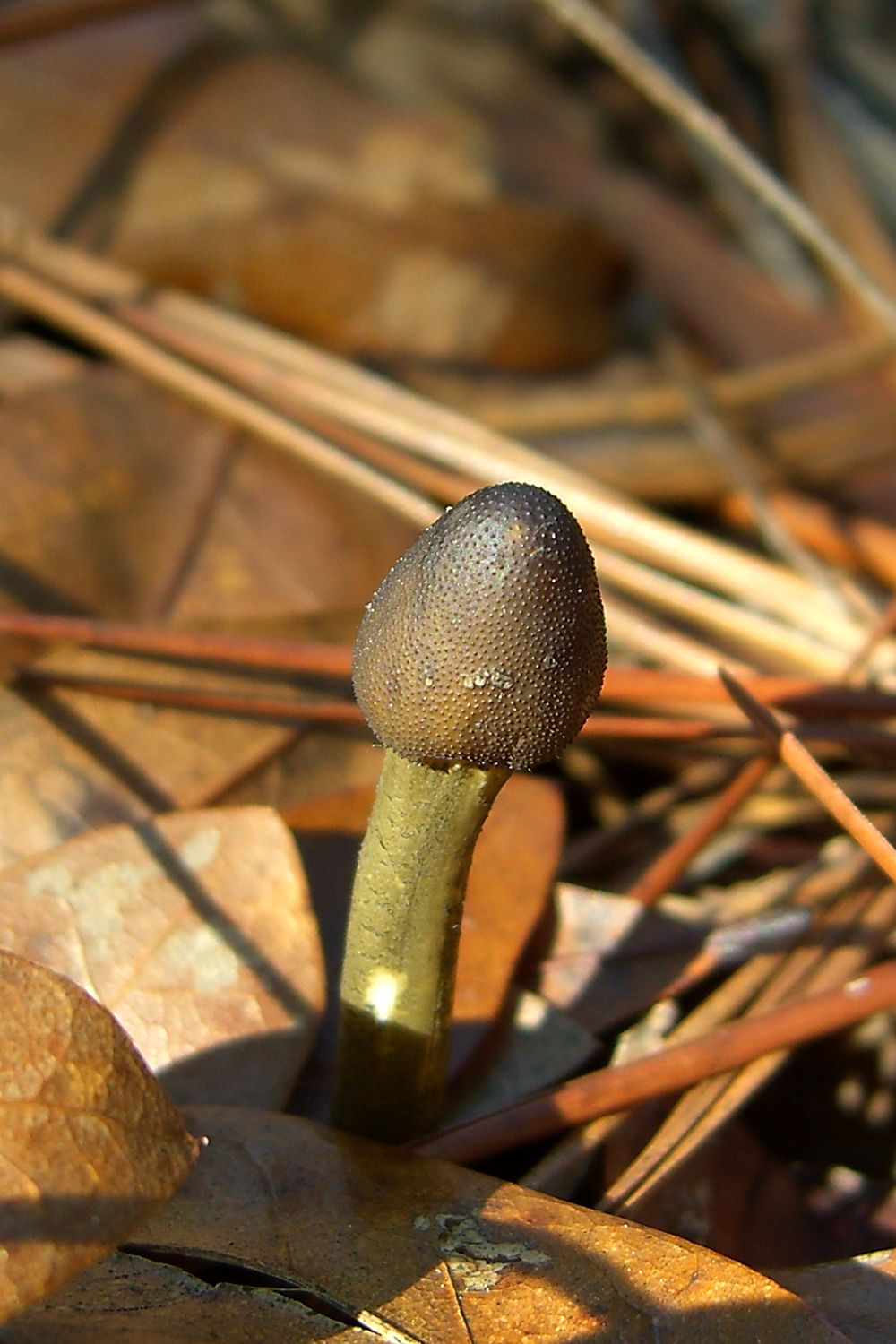
Quality matters enormously. Wild cordyceps harvested at altitude in the Himalayan plateau is rare and extraordinarily expensive. Most modern supplements use Cordyceps militaris cultivated on substrate, which when grown and extracted properly delivers comparable cordycepin content. PeptideComb sources standardised, third-party tested cordyceps with verified active compound levels.
Typical adult dosage ranges from 500 mg to 2 g per day, taken with food. Most users notice improved energy and recovery within 2–4 weeks of consistent use. Cycling 8 weeks on with 2 weeks off is common to maintain responsiveness.
Cordyceps is generally well tolerated, with rare reports of mild gastrointestinal upset. It is contraindicated only in those on immunosuppressive therapy or with autoimmune conditions, where the immune-modulating activity warrants medical guidance. The European Food Safety Authority (EFSA) continues to evaluate the safety and health claims of botanical supplements including medicinal mushrooms.