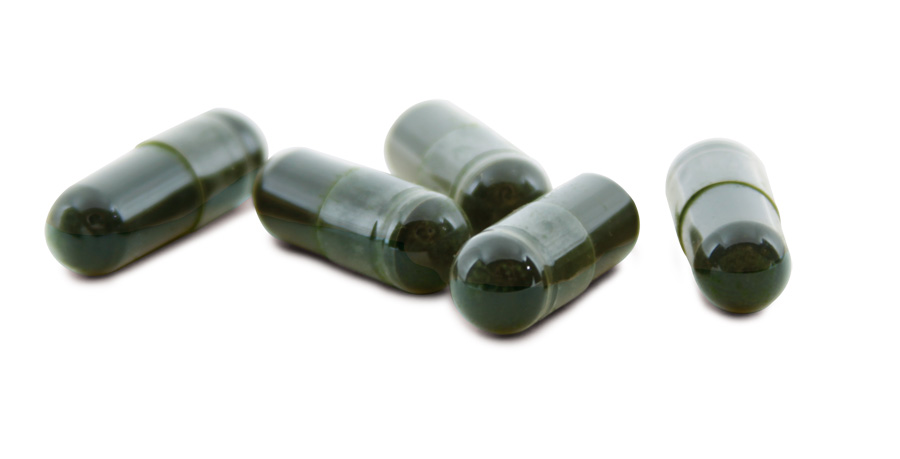
The peptide supplement market is expanding rapidly, but quality varies enormously. A high-quality peptide bioregulator must meet rigorous standards in source tissue, extraction methodology, peptide identity verification, microbial safety and finished-product stability. The European Medicines Agency's GMP guidelines define the manufacturing standards that distinguish pharmaceutical-grade from generic supplement production. Cutting any corner compromises both efficacy and safety.
Source tissue matters first. Authentic Khavinson-lineage peptides are derived from young calf or porcine organ tissue under controlled veterinary protocols. Tissue from animals raised on certified pastures, free of growth hormones and antibiotics, produces cleaner peptide extracts.
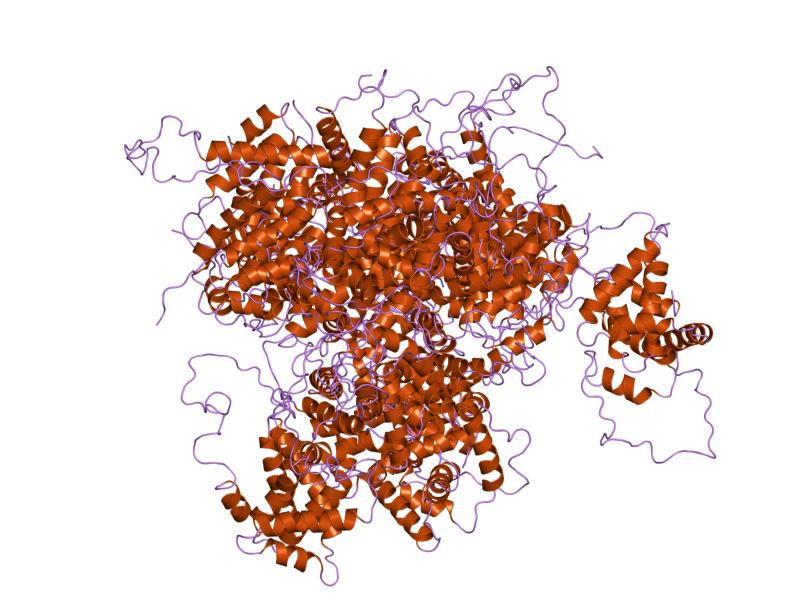
Extraction must preserve native peptide sequences. Modern best practices use enzymatic digestion at controlled temperature and pH, followed by ultrafiltration to isolate the short peptide fraction (under 10 kDa). HPLC analysis verifies that the final product contains the expected peptide signatures and not just a generic protein hydrolysate.
Manufacturing under pharmaceutical GMP standards is non-negotiable for a true bioregulator. This includes batch-level testing for microbial load, heavy metals and peptide content. PeptideComb publishes Certificates of Analysis on request and partners only with audited European production facilities. For consumers evaluating supplement quality independently, ConsumerLab.com is the leading independent supplement testing and verification service.
When evaluating a peptide product, ask: where is the source tissue from? Is HPLC verification performed? Is the manufacturing facility GMP-certified? If the supplier cannot answer these questions clearly, the product is not a high-quality bioregulator.