In the rapidly evolving landscape of anti-aging and cellular longevity, few scientific breakthroughs carry as much clinical backing and therapeutic promise as peptide bioregulators. Discovered during the late Cold War era and researched for over forty years, these ultra-short amino acid chains are shifting how we approach cellular renewal, systemic vitality, and organic longevity.
But what are peptide bioregulators, how do they differ from the popular peptides used in modern fitness (like BPC-157 or growth hormone secretagogues), and how can you integrate them into a healthy aging protocol? This comprehensive, evidence-based guide breaks down the science, benefits, and clinical applications of these molecular regulators.
What Are Peptide Bioregulators?
Peptide bioregulators are ultra-short chains of amino acids (typically consisting of just 2 to 4 amino acids) that are tissue-specific. Unlike large proteins or complex polypeptide chains, their microscopic molecular weight (under 10 kilodaltons) allows them to easily cross cellular membranes, pass the blood-brain barrier, and even enter the cell nucleus without being broken down by digestive enzymes.
Pioneered by Professor Vladimir Khavinson at the St. Petersburg Institute of Bioregulation and Gerontology, these peptides are natural signalling molecules. In healthy, young organisms, these short peptides are continuously cleaved from longer protein structures to regulate gene expression. However, as we age or undergo environmental stress, this natural cleavage process slows down, leading to a decline in protein synthesis and accelerated organ aging. Khavinson's research body spans over 700 peer-reviewed publications.
Short Peptides vs. Proteins vs. Conventional Supplements
To understand the unique efficacy of peptide bioregulation, it is helpful to compare them to other common health substances:
| Feature | Peptide Bioregulators | Standard Proteins (e.g., Collagen) | Conventional Medications |
|---|---|---|---|
| Molecular Size | Ultra-short (2–4 amino acids) | Long chains (50+ amino acids) | Synthetic chemical compounds |
| Absorption Method | Direct sublingual or cellular uptake | Must be broken down by digestion | Hepatic/Systemic metabolization |
| Mechanism | Epigenetic gene regulation (DNA binding) | Provides raw structural building blocks | Receptor blocking or forced activation |
| Side Effects | Virtually none (natural to the body) | None (food-like) | High risk of side effects/dependency |
The Epigenetic Mechanism: How Peptide Bioregulators Work
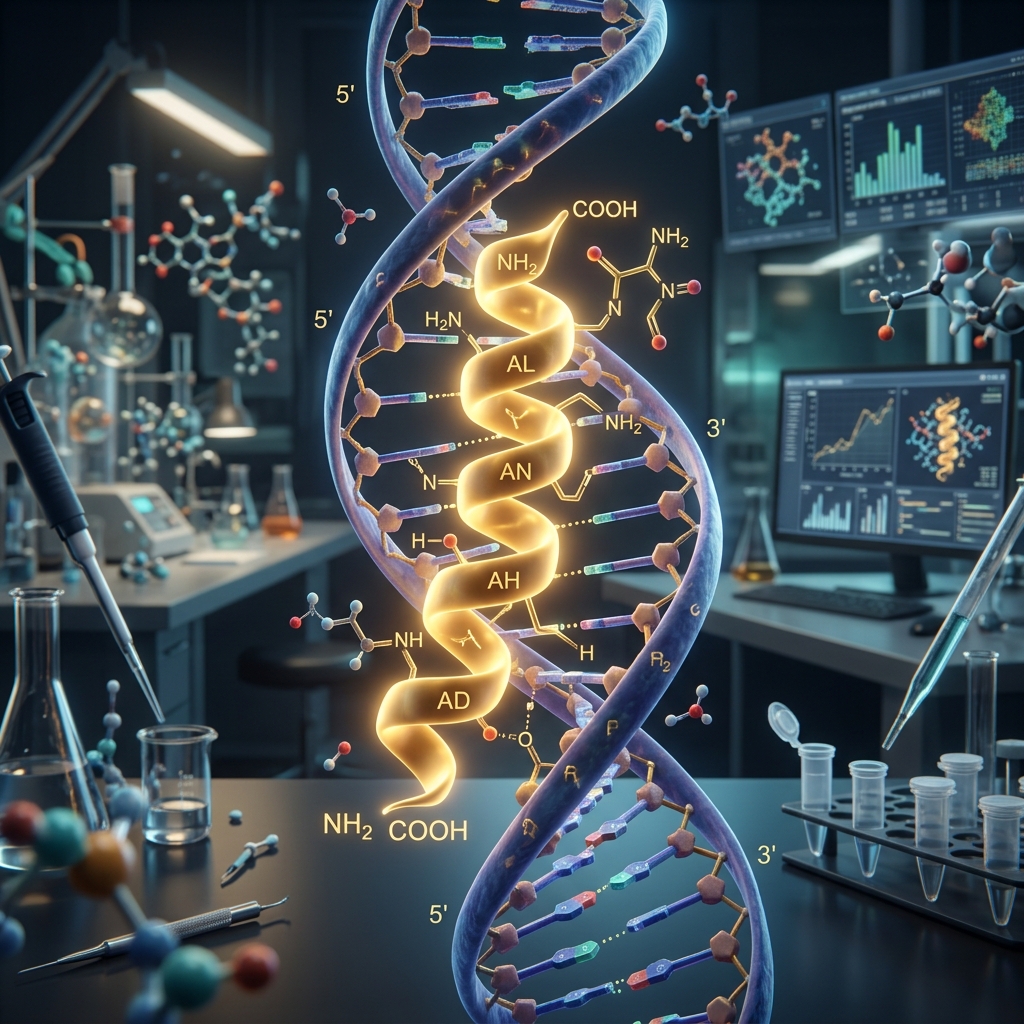
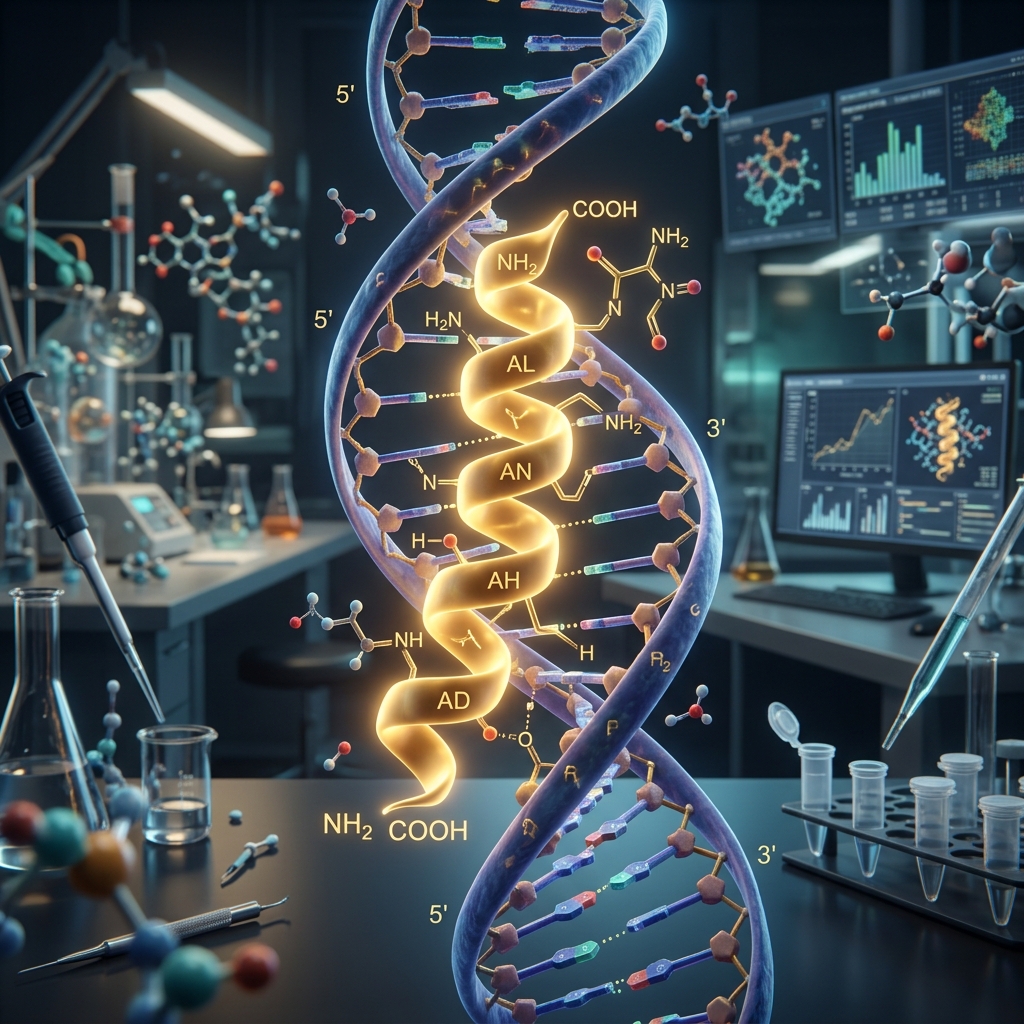
The core scientific breakthrough of Khavinson's research lies in the discovery of how short peptides interact with the genome. When a tissue-specific peptide bioregulator enters a cell nucleus, it binds directly to the promoter regions of matching DNA strands. This binding unzips the double-helix structure, allowing RNA polymerase to transcribe the gene and restart the production of vital physiological proteins. This epigenetic mechanism is further detailed in Khavinson's landmark 2002 review Peptides and Ageing.
For example, if you introduce a thymus-specific peptide bioregulator (Vladonix) into the body, it targets the cells of the thymus gland, stimulating the production of T-lymphocytes and restoring immune function to youthful baselines. This tissue-specific targeting is absolute: a brain peptide will only interact with brain cells, a vascular peptide with blood vessels, and a cartilage peptide with joints.
Top 4 Peptide Bioregulators and Their Science-Backed Benefits
While there are dozens of bioregulators targeting nearly every organ system, four foundational peptides stand out for their extensive clinical evidence and wide-ranging benefits:
1. Vladonix (Thymus Peptide) – The Immune Rejuvenator
The thymus gland is the primary school of our immune system, maturing the T-cells that defend us from pathogens. However, the thymus undergoes rapid age-related shrinkage (involution). By age 60, its functional volume is reduced by up to 90%. Vladonix supports the regeneration of thymus cells, enhancing T-lymphocyte maturation and modulating immune responses. Studies report reduced incidence of seasonal infections and improved immune markers in older cohorts utilizing thymus peptides.
2. Endoluten (Pineal Gland Peptide) – The Master Regulator
The pineal gland regulates our circadian rhythm through melatonin synthesis and coordinates the entire endocrine (hormonal) system. Endoluten is widely considered the "gold standard" of longevity peptides. In animal models, pineal peptide bioregulators have consistently demonstrated lifespan extension of up to 30–40% by restoring hormonal rhythm, reducing oxidative stress, and maintaining telomere length. In humans, it supports restorative sleep patterns and endocrine harmony.
3. Cerluten (Brain Peptide) – Cognitive Resilience
Our brain cells require consistent neuro-protein synthesis to maintain synaptic plasticity, memory formation, and focus. Cerluten delivers short brain peptides that support neuronal health, counteract mild cognitive sluggishness, and protect against neurodegenerative decline. It is frequently used by professionals seeking mental clarity and older adults aiming to preserve cognitive longevity.
4. Sigumir (Cartilage & Bone Peptide) – Joint Renewal
Joint wear and tear is one of the most common signs of physical aging, characterized by a slow breakdown of cartilage matrix that outpaces chondrocyte renewal. Sigumir acts directly on bone and cartilage tissue, promoting the synthesis of collagen and proteoglycans to maintain joint flexibility and structural integrity, reducing stiffness and wear. The Mayo Clinic's overview of arthritis provides a useful clinical frame for the joint degradation that organ-specific peptides like Sigumir are designed to address.
How to Safely Use Peptide Bioregulators: Protocols and Pairings
Unlike standard supplements that are taken daily indefinitely, peptide bioregulators are most effective when taken in strategic cycles. Because they work at the epigenetic level, their cell-regulating effects persist long after you stop taking them.
- Standard Prevention Cycle: For general longevity and organ maintenance, a 20-to-30 day cycle using 1–2 capsules daily of a target peptide is recommended. This cycle is typically repeated 2 to 3 times per year.
- Synergistic Pairings (3-in-1 Complexes): To maximize benefits, researchers recommend pairing complementary peptides. For example, PeptideComb's 3-in-1 complexes (like Neuro 3 Plus or Gastro 3 Plus) combine three organ-specific peptides in one capsule to support entire physiological pathways simultaneously.
- Contraindications: Because peptide bioregulators are bio-identical signalling molecules naturally present in young organisms, they have excellent tolerability profiles and no documented drug interactions. However, individuals on immunosuppressive therapies (such as organ transplant recipients) should avoid thymus peptides, and pregnant or nursing mothers should consult their physician before use.
Conclusion: The Future of Healthy Aging is Epigenetic
Peptide bioregulators represent a profound shift in modern wellness. By working directly with our DNA to restore youthful protein synthesis, they allow us to support our body's organs at the most fundamental molecular level. Whether you are looking to rejuvenate your immune defenses, optimize cognitive performance, or support joint longevity, Khavinson's peptide bioregulators offer a scientifically validated, premium pathway to cellular vitality. For the latest developments in this field, Frontiers in Aging publishes ongoing open-access research into the molecular biology of longevity.