Professor Vladimir Khavinson is the founding figure of modern peptide bioregulator science. Over more than four decades at the St Petersburg Institute of Bioregulation and Gerontology, his research team has produced more than 700 peer-reviewed publications, registered numerous patents, and developed an entire class of pharmacological agents — short peptide bioregulators with tissue-specific activity.
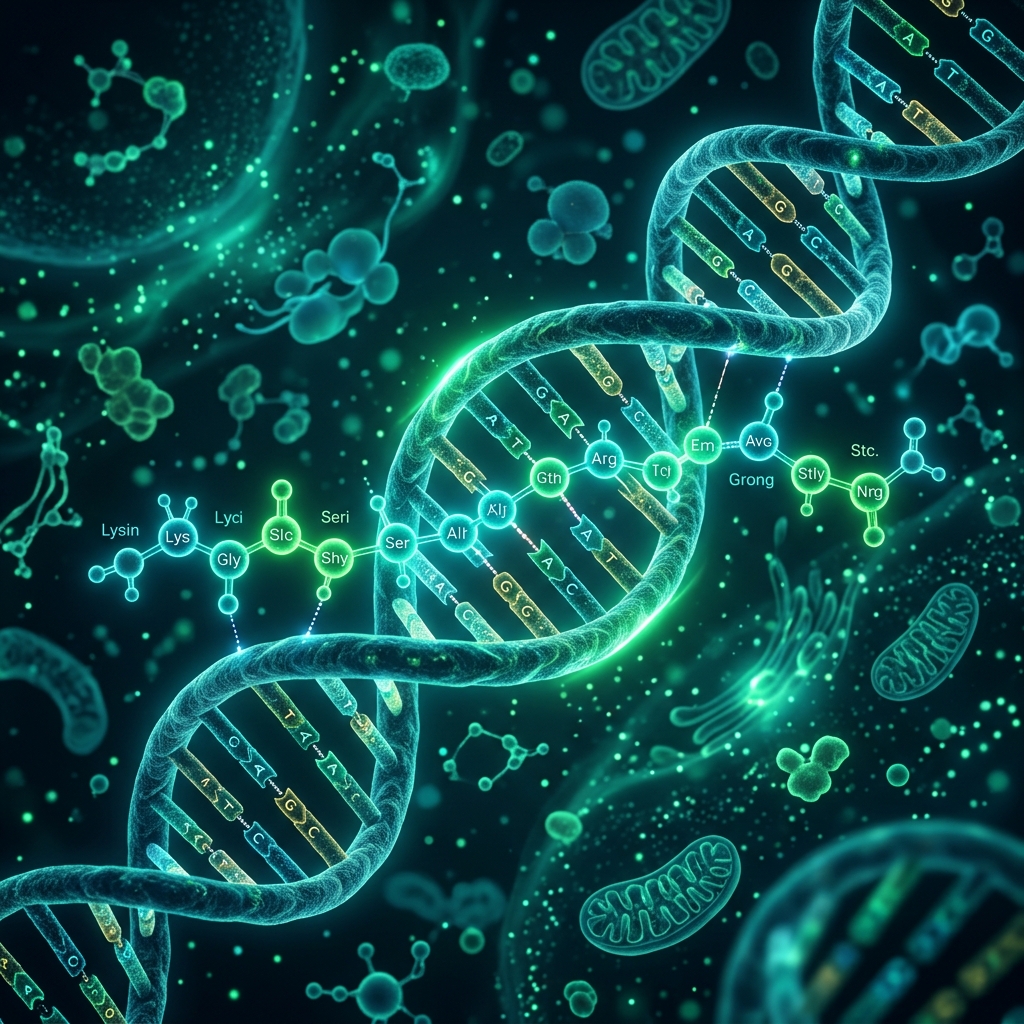
The story began in the 1970s with the observation that extracts from young animal tissues could modulate function in tissue-matched cells. Decades of patient mechanistic research established that the active principle was a class of short peptides that could enter cells, bind to specific gene promoter regions, and restore physiological protein synthesis. This mechanism is described in detail in Khavinson's landmark 2002 paper Peptides and Ageing (Neuro Endocrinol Lett., 2002).
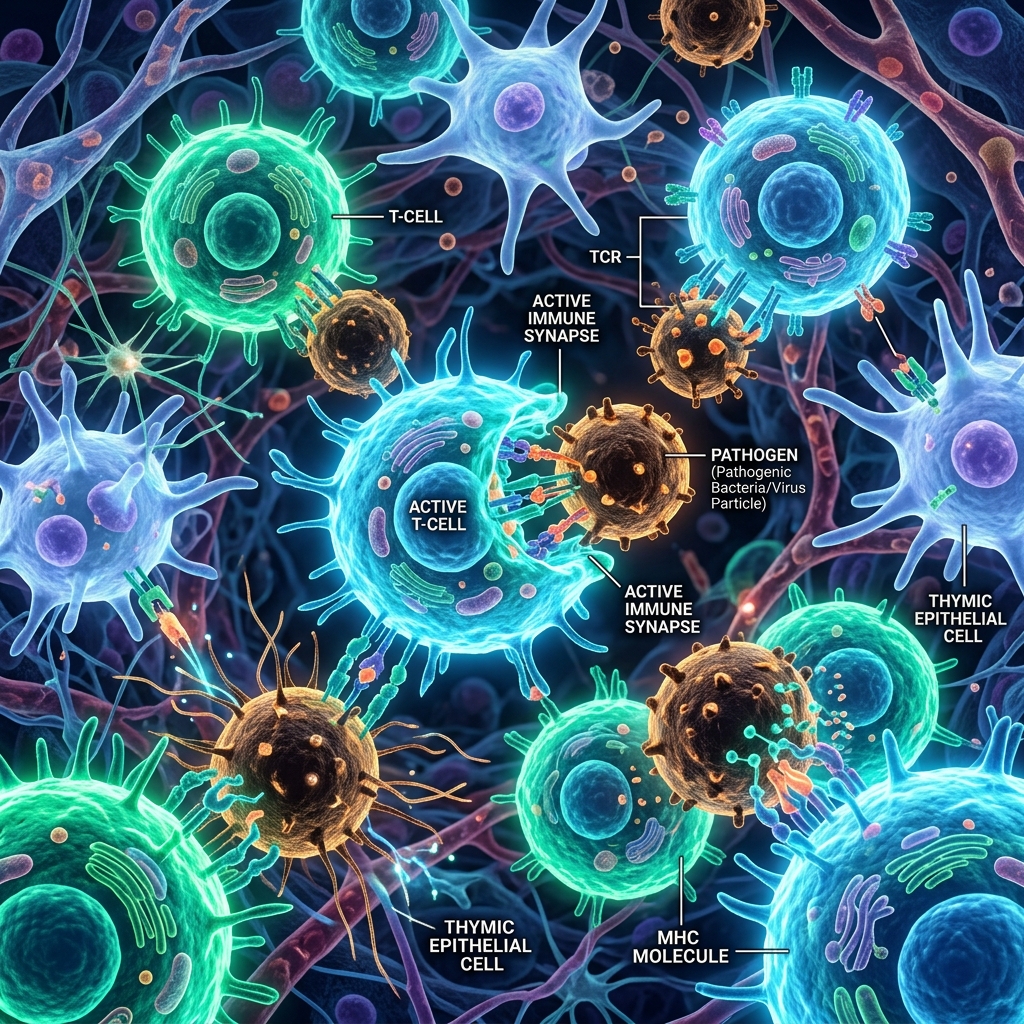
Khavinson's hypothesis was initially controversial — the idea that simple short peptides could exert gene-regulatory effects challenged conventional pharmacological thinking. Steady accumulation of evidence from in-vitro studies, animal experiments and clinical observation reports gradually built the case. Today, the bioregulator framework is taught in Russian medical institutions and increasingly recognised by international gerontology research communities.
The clinical legacy includes pharmaceutical preparations registered in Russia for various indications, plus a much larger family of dietary supplement-grade peptide bioregulators distributed worldwide. Products in the PeptideComb catalogue derive directly from this lineage, manufactured under European GMP standards with full peptide identity verification.
Khavinson's broader contribution is the demonstration that aging is partly a programmable process — that by maintaining cellular communication networks through short peptide signalling, we can support healthier physiological function across the lifespan. A comprehensive overview of his findings is available in the open-access review Short Peptides: Mechanisms of Action and Perspectives of Clinical Use (2020). This idea continues to inspire integrative gerontology research worldwide.