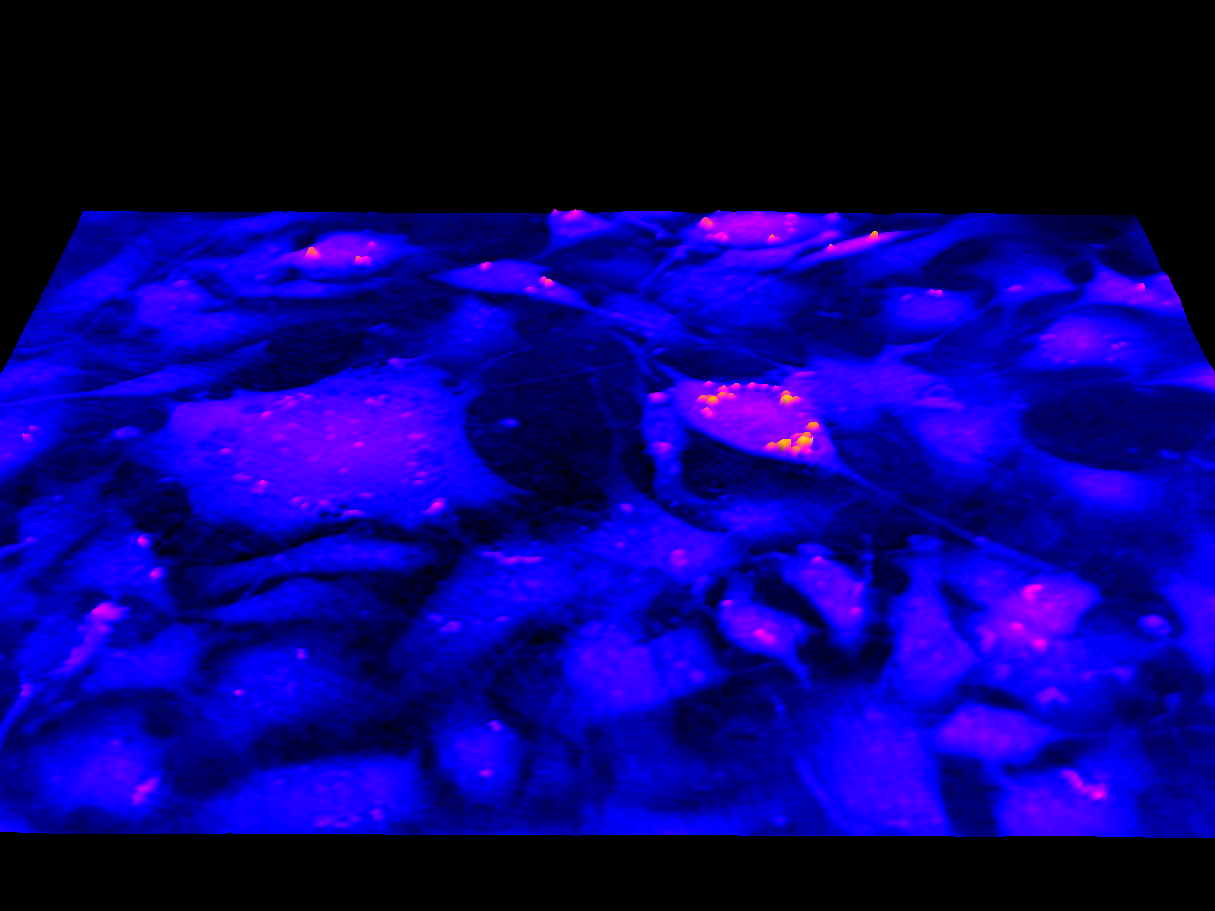
Cordycepin (3'-deoxyadenosine) is the active adenosine analogue produced by cordyceps mushrooms, particularly Cordyceps militaris. Beyond its established adaptogenic effects, cordycepin has attracted significant research attention in two distinct areas: tumour cell biology and antiviral pharmacology, including studies relevant to SARS-CoV-2.
In oncology research, cordycepin has been shown in vitro to interact with multiple cancer cell pathways. The molecule incorporates into RNA in place of adenosine, disrupting transcription and translation in rapidly proliferating cells. Studies have examined effects on apoptosis induction, cell cycle arrest and metastatic potential across leukaemia, breast, lung and liver cancer cell lines.
In antiviral research, cordycepin has been investigated for activity against multiple viruses including HIV, hepatitis B and various RNA viruses. During the COVID-19 pandemic, several research groups examined cordycepin's potential to inhibit SARS-CoV-2 replication through interference with viral RNA polymerase. Results from in-vitro studies showed measurable activity, though clinical translation remains preliminary.
These findings are exclusively research-stage. Cordycepin is not approved as a primary cancer or antiviral therapy, and dose-response, bioavailability and safety profiles for therapeutic use require much more clinical investigation. Standardised cordyceps supplements provide moderate cordycepin doses appropriate for adaptogenic use, not therapeutic intervention.
For consumers interested in cordyceps for general energy and immune support, look for products with verified cordycepin content (typically 0.2–1.0% of dry weight). PeptideComb cordyceps products are standardised and third-party tested for active compound levels.