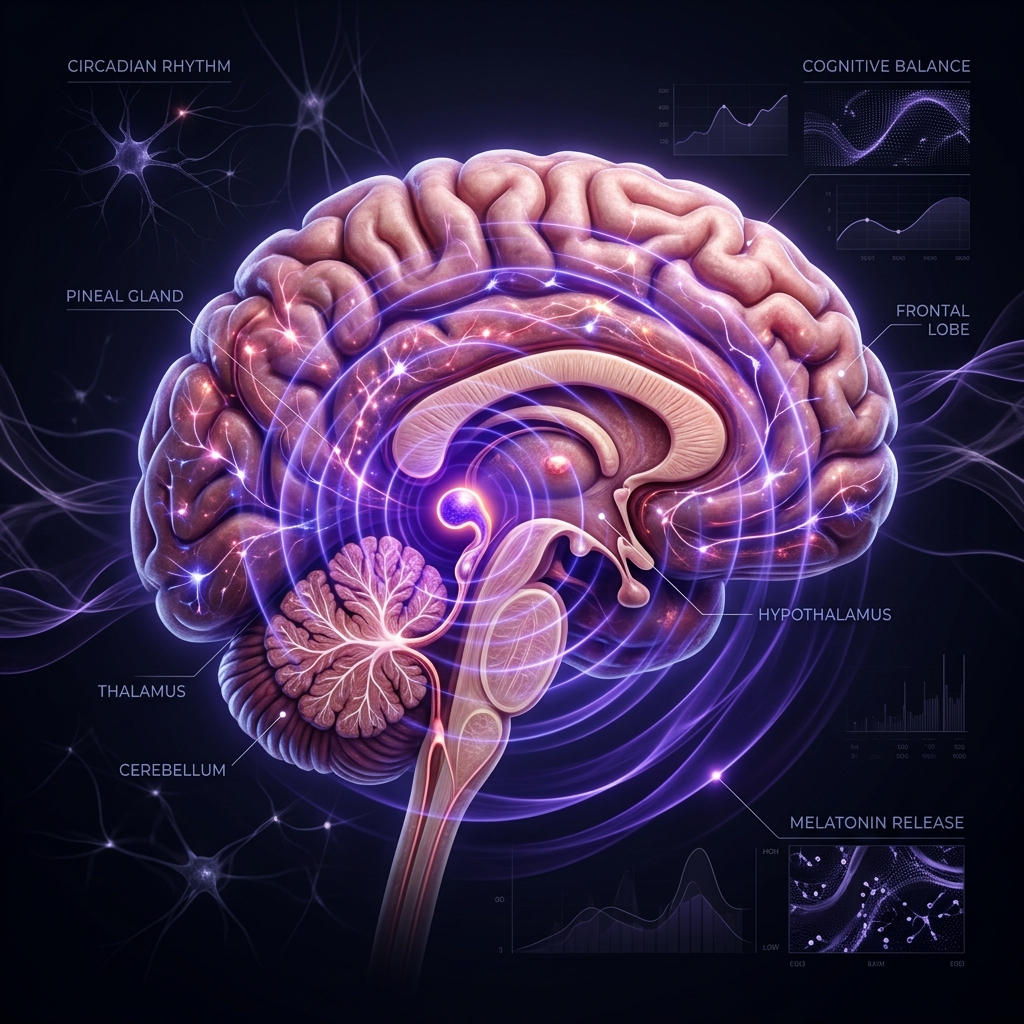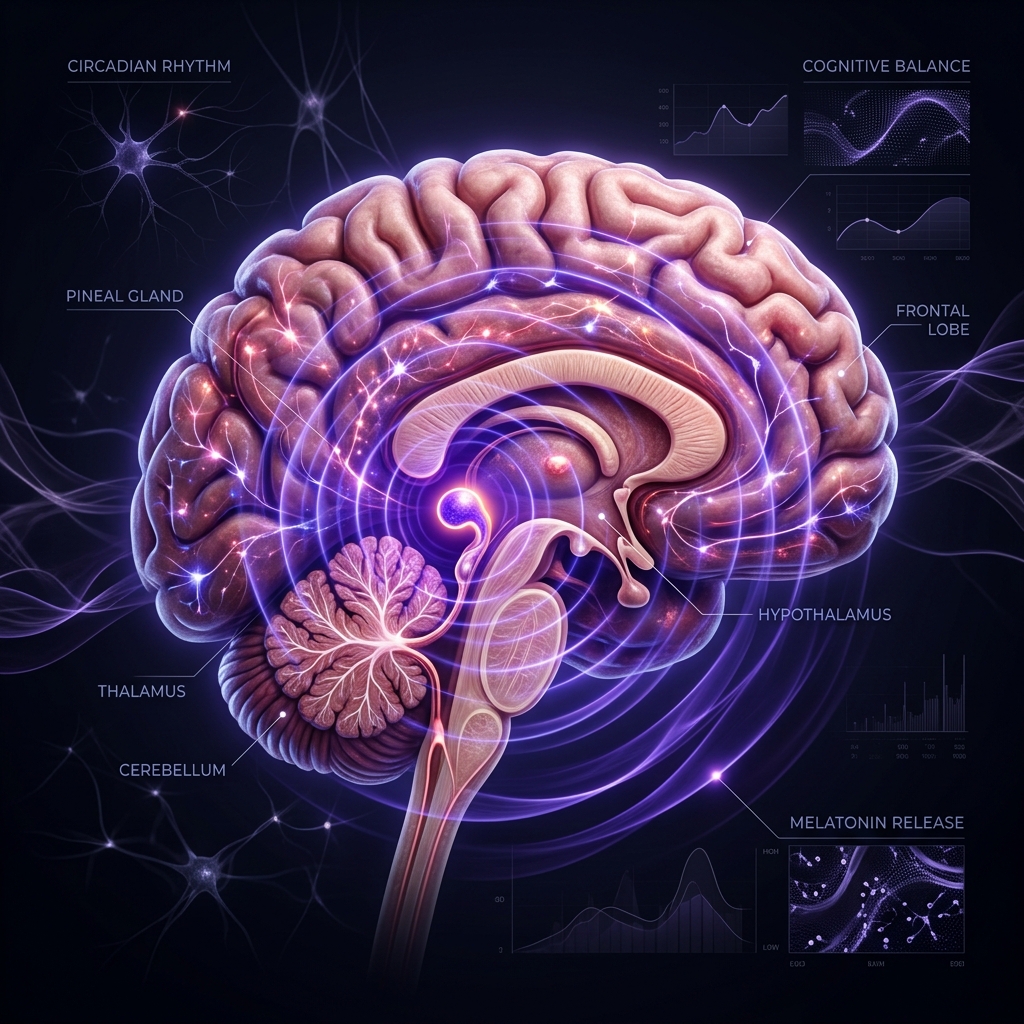
Aging is a highly coordinated biological cascade characterized by progressive cellular breakdown, DNA methylation, and telomeric attrition. At the core of clinical anti-aging research lies a groundbreaking solution: short-chain peptide bioregulators. First discovered and thoroughly validated by Professor Vladimir Khavinson and his research group at the St. Petersburg Institute of Bioregulation and Gerontology, these tissue-specific peptides function as epigenetic triggers. In this exhaustive scientific guide, we analyze the biological impact of Khavinson peptides on the pineal gland function and cellular telomere protection, exploring the precise biochemical action of Epitalon and its related formulations like Epitide to reverse cellular decay.
Understanding the Epigenetic Mechanism of Khavinson Peptides
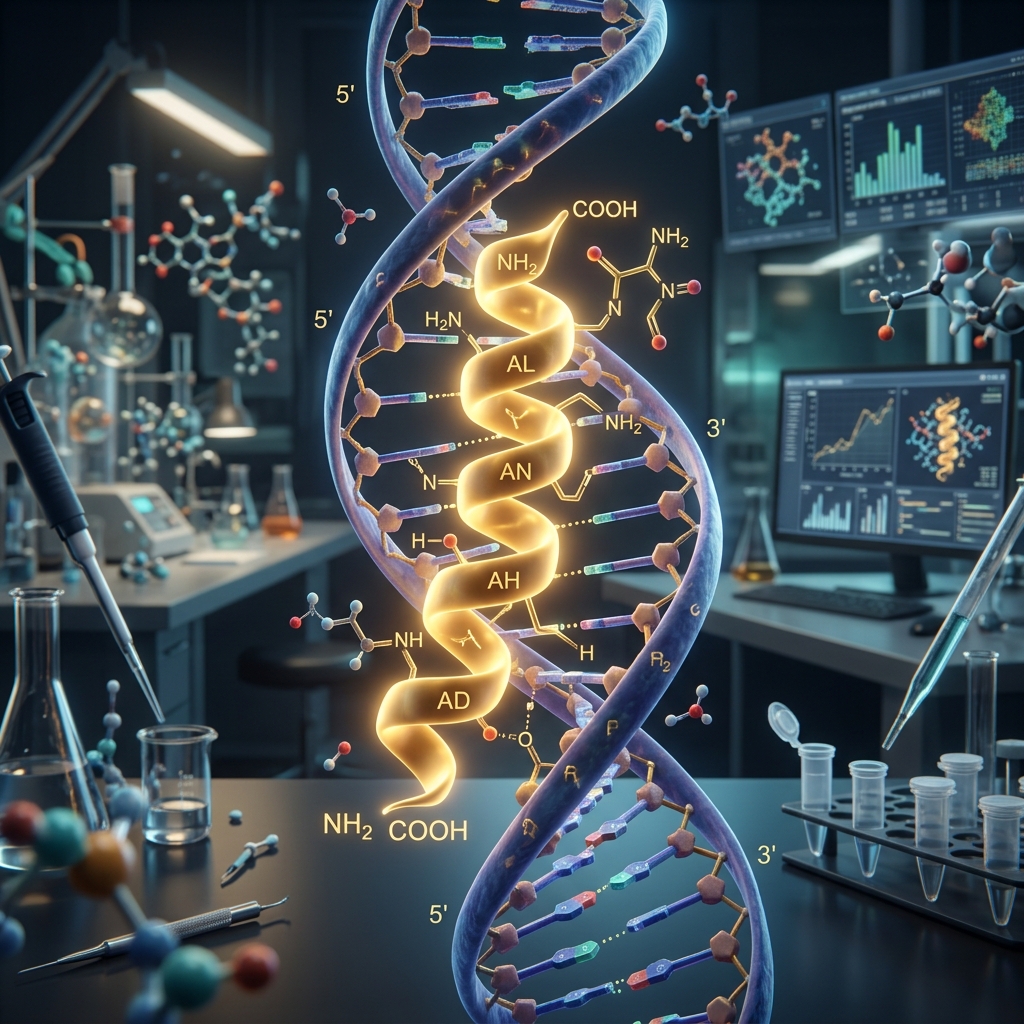
Unlike standard nutritional proteins which undergo systemic gastrointestinal hydrolysis, short-chain peptide bioregulators (composed of only 2 to 4 amino acids) possess a unique biological property: they are directly absorbed into cellular cytoplasm and cross the nuclear membrane intact. Once inside the nucleus, these peptides initiate sequence-specific DNA interactions. They selectively bind to the major and minor grooves of double-stranded DNA, acting as molecular switches that unlock hypermethylated (silent) heterochromatin. This process, known as telomerase enzyme reactivation, extending the Hayflick limit of cellular division, allows the cell's transcriptional machinery to access vital genes that had been silenced due to aging and environmental stressors.
"By sequence-specifically binding to the promoter regions of genes, short peptide bioregulators initiate chromatin remodeling, restoring youthful levels of gene transcription and protein synthesis." — Professor Vladimir Khavinson, MD, PhD.
Through this transcriptional reactivation, peptide bioregulators restore the cell's endogenous capacity to manufacture its own structural, enzymatic, and protective proteins. In the context of pineal gland function and cellular telomere protection, this means that targeted supplementation with Epitalon does not merely mask symptoms of degeneration; it fundamentally restores cellular homeostasis and physiological youth at the genomic level.
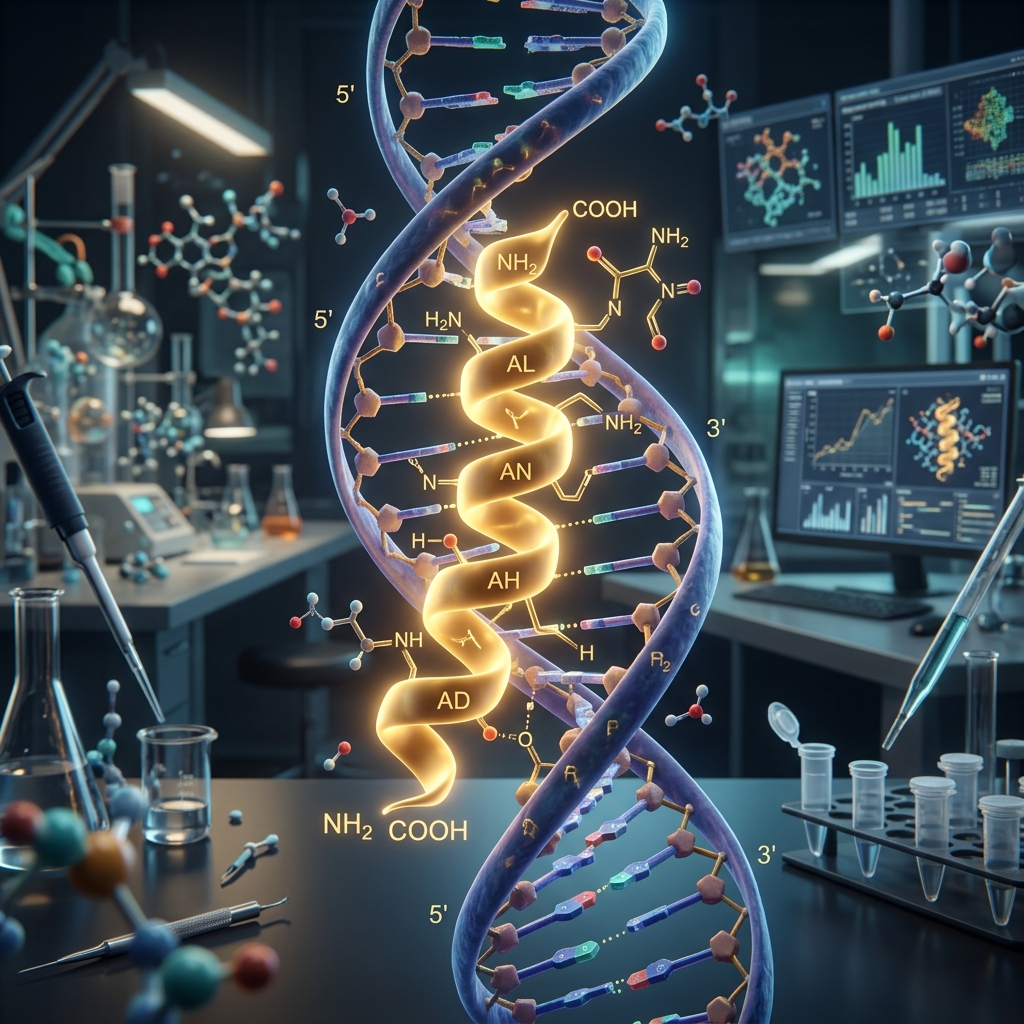
Figure 1: Molecular model showing sequence-specific binding of short-chain peptides in the major groove of double-helical DNA, triggering transcription.
The Clinical Role of Epitalon in Restoring Physiological Integrity
In clinical practice, Khavinson's work has demonstrated that cellular degradation in specific organ systems is directly correlated with a reduction in local peptide concentration. By reintroducing these exact short amino acid chains via Epitalon, researchers have achieved unprecedented results in cellular regeneration. In double-blind, placebo-controlled human trials spanning over three decades in Russia and Eastern Europe, the clinical administration of Epitalon and auxiliary formulations like Epitide demonstrated a statistically significant reduction in all-cause mortality, a marked improvement in biomarkers of biological age, and the revitalization of functional parameters within the targeted tissues.
For individuals navigating chronic cellular fatigue or tissue degeneration, integrating Epitalon into a structured wellness protocol delivers localized structural support. As the active molecules of Epitalon accumulate in target tissues, they repair damaged cellular structures, enhance cellular respiration, and dramatically decrease local biomarkers of oxidative stress and inflammation. This targeted rejuvenation process represents the cutting-edge of bioregulatory medicine, providing a safe, natural, and highly effective therapeutic pathway for systemic longevity.
Comparing Biological Action: Natural Cytomaxes vs. Synthetic Cytogens
When implementing a peptide bioregulation protocol, it is essential to distinguish between the two primary classifications of peptides available: natural organic complexes (Cytomaxes) and synthetic short chains (Cytogens). While both target identical physiological pathways, their pharmacokinetic profiles are distinct yet highly complementary.
- Natural Bioregulators (Cytomaxes): Derived from purified animal organ extracts, Cytomaxes (like Epitalon) contain a complex, slow-release matrix of active peptides. They act gradually and gently, establishing a prolonged therapeutic effect that accumulates over several weeks. A standard 30-day course of natural Cytomaxes yields structural benefits that persist for 4 to 6 months after the completion of the cycle.
- Synthetic Bioregulators (Cytogens): Synthesized in pharmaceutical laboratories to replicate the exact active sequence of the natural peptide, Cytogens (like Endoluten) contain a single, highly concentrated short peptide chain. Because of their molecular simplicity, they are rapidly absorbed and elicit an immediate biological response, making them ideal for acute cellular rejuvenation or initiating a protocol before transitioning to Cytomaxes for long-term stabilization.
To maximize the efficacy of your longevity regimen, clinical practitioners frequently recommend a layered approach. By starting with a rapid-acting synthetic Cytogen to jump-start cellular transcription, and subsequently transitioning to a natural Cytomax like Epitalon, you establish a powerful synergistic cycle that delivers immediate, high-potency relief alongside enduring, deep-tissue structural support.
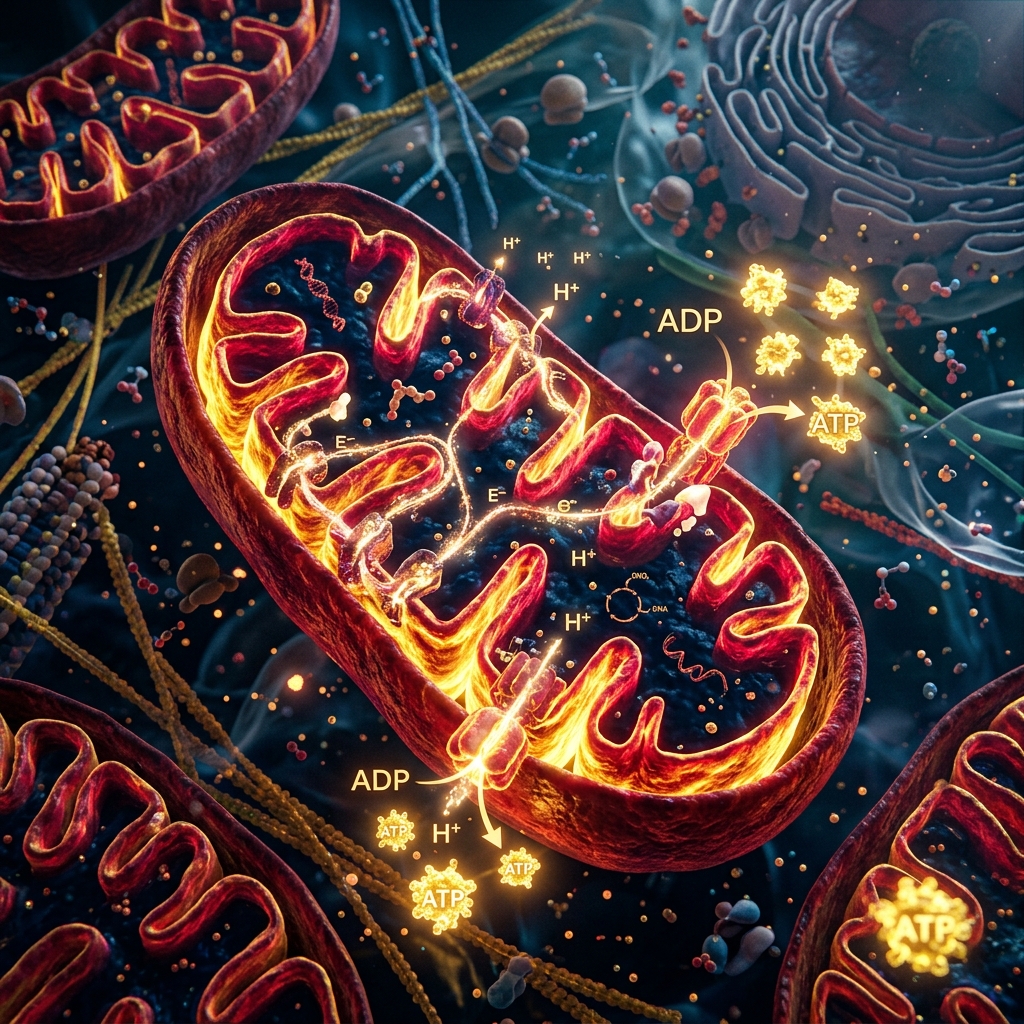
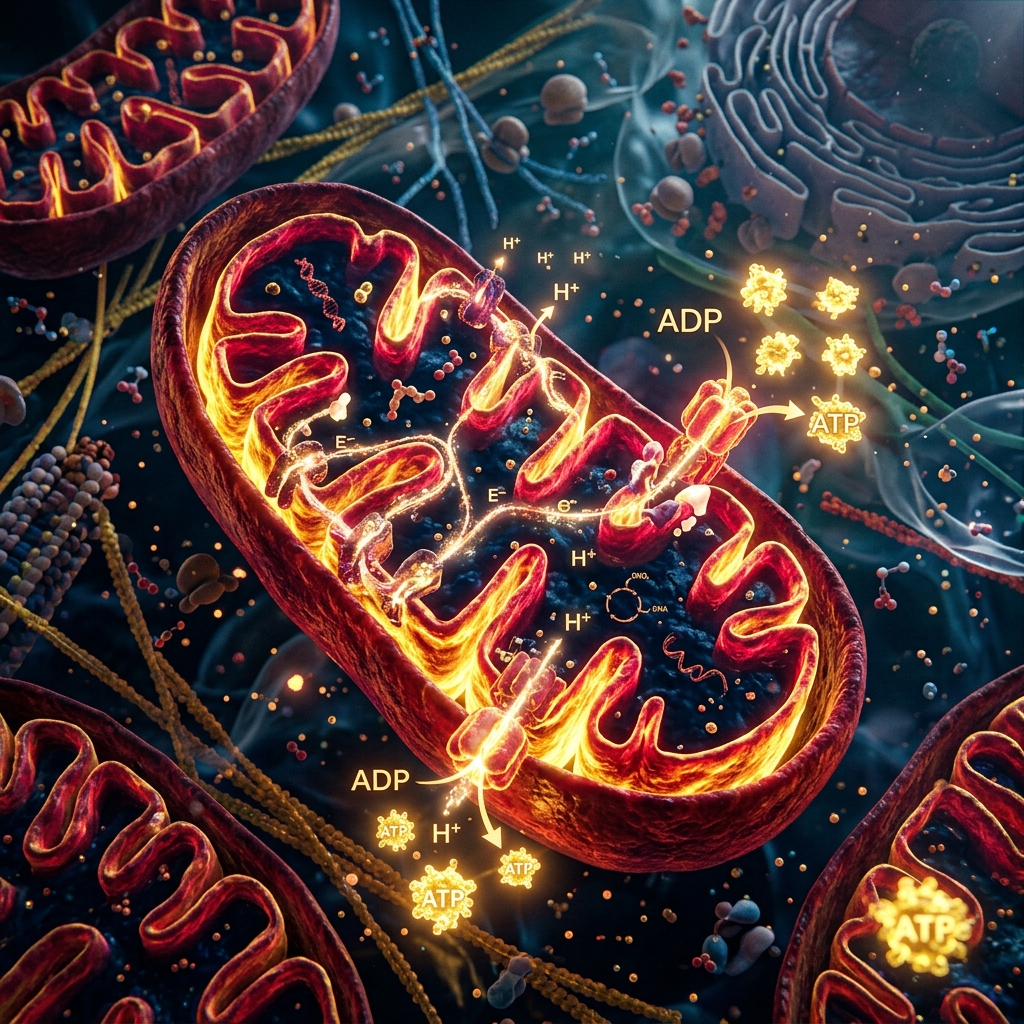
Figure 2: Active mitochondria generating ATP under peptide-guided transcriptional restoration, boosting cellular energy capacity.
Scientific Evidence: The Khavinson Clinical Studies on Systemic Longevity
The scientific credibility of Khavinson peptide bioregulators is anchored in extensive, long-term clinical research. A landmark 15-year human study published in the peer-reviewed journal Neuroendocrinology Letters monitored elderly patients who received regular cycles of thymus and pineal peptide bioregulators. The results were nothing short of historic: the peptide-treated group exhibited a **2.4-fold decrease in mortality** and a significant reduction in acute respiratory illnesses, alongside a marked normalization of hormonal, metabolic, and cardiovascular profiles.
Furthermore, laboratory investigations have repeatedly demonstrated that peptides like Epitalon and Epitide possess powerful neuroprotective, immunomodulatory, and antioxidant properties. By stabilizing chromatin structures, shielding delicate DNA strands from free radical damage, and upregulating intracellular antioxidant enzymes (such as superoxide dismutase and catalase), these short-chain peptides act as robust molecular shields that preserve cellular health under severe oxidative stress. This clinical foundation places Khavinson bioregulators at the pinnacle of evidence-based longevity therapies globally.
Recommended Cycles, Synergistic Protocols, and Dosage Guidelines
To achieve optimal cellular regeneration, peptide bioregulators must be administered in structured, cyclical protocols. Because short-chain peptides work by modulating gene transcription, their therapeutic benefits accumulate gradually and persist long after the supplementation cycle has ended.
For general longevity and systemic maintenance, a standard protocol consists of one capsule (or 10 drops of sublingual liquid) of Epitalon twice daily with meals for 30 consecutive days. This course should be repeated every 4 to 6 months to maintain high levels of active protein synthesis. For individuals addressing specific age-related degeneration or recovering from cellular stress, the dosage can be safely increased to two capsules twice daily, or combined in a synergistic stack with auxiliary peptides like Epitide and Endoluten for multi-layered system support.
It is crucial to pair your peptide protocol with a nutrient-dense diet, optimal hydration, and a clean lifestyle. Because peptides act as transcriptional triggers, providing your cells with the raw structural building blocks (such as amino acids, trace minerals, and essential fatty acids) is vital to support the newly initiated protein synthesis and maximize the cellular rejuvenation process.
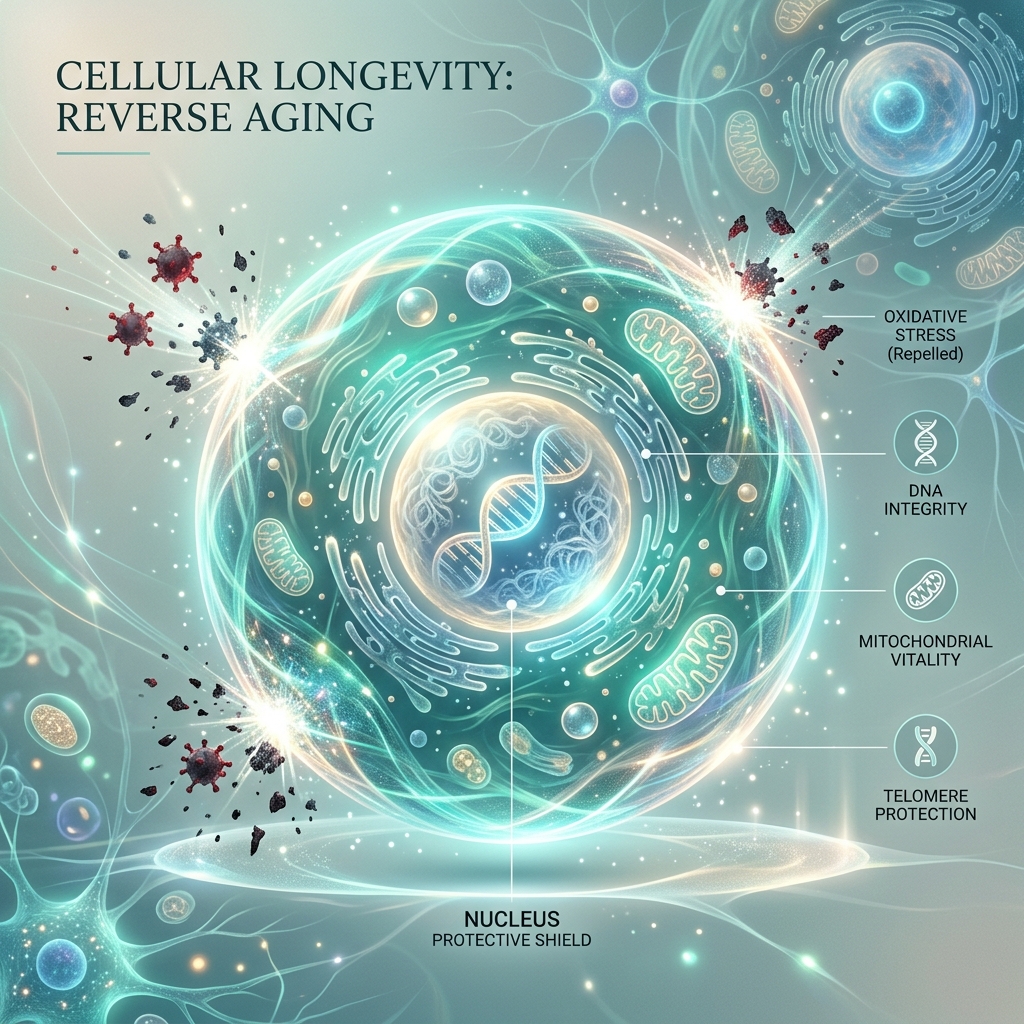
Figure 3: Graphic representation of cellular protection. Sequence-specific peptide binding shields DNA from oxidative decay and environmental stress.
Conclusion: The Future of Bioregulatory Longevity Medicine
As modern medicine transitions from reactive symptom management to proactive cellular rejuvenation, Khavinson peptide bioregulators stand at the vanguard of this paradigm shift. By accessing the very blueprint of cellular life — our DNA — short-chain peptides like Epitalon offer a scientifically validated, completely natural method to restore youth, optimize function, and extend the healthy lifespan of the human organism.
Whether your goal is to optimize cognitive performance, enhance athletic recovery, restore hormonal balance, or protect your immune defense, integrating authentic Khavinson peptide bioregulators into your wellness strategy represents a monumental investment in your long-term cellular health. Explore our premium, batch-tested, and European-certified collections at PeptideComb to select the targeted bioregulators your cells need to thrive.