At the cellular level, the aging process is characterized by a steady decline in bioenergetic efficiency and an accumulation of damaged, non-functional cellular components. The mitochondria, our cellular powerhouses, are responsible for generating the ATP that fuels all physiological processes. However, as they age, they become highly inefficient, producing excessive reactive oxygen species (ROS) that damage lipids, proteins, and DNA. By combining brain-targeted Cerluten and immune-supportive Vladonix, we can optimize mitochondrial health, protect the nervous and immune systems, and shield cells from premature senescence.
Epigenetic Mechanisms of Peptide Bioregulation
The historical genesis of peptide bioregulation lies in the pioneering work of Professor Vladimir Khavinson and his research group at the Military Medical Academy in Leningrad (now St. Petersburg) during the 1970s. Tasked with developing therapeutic agents to enhance the physiological resilience of military personnel subjected to extreme environments—such as high-altitude radiation, deep-sea diving, and chemical stressors—the researchers turned to organ-specific ultra-short peptides. By extracting low-molecular-weight peptide fractions from the tissues of young, healthy calves, Khavinson discovered that these biological molecules possess the unique ability to stimulate cellular regeneration. This seminal research laid the foundation for the St. Petersburg Institute of Bioregulation and Gerontology, where decades of subsequent clinical observations and cellular assays confirmed that these short chains of amino acids function as signaling agents that restore tissue-specific protein synthesis.
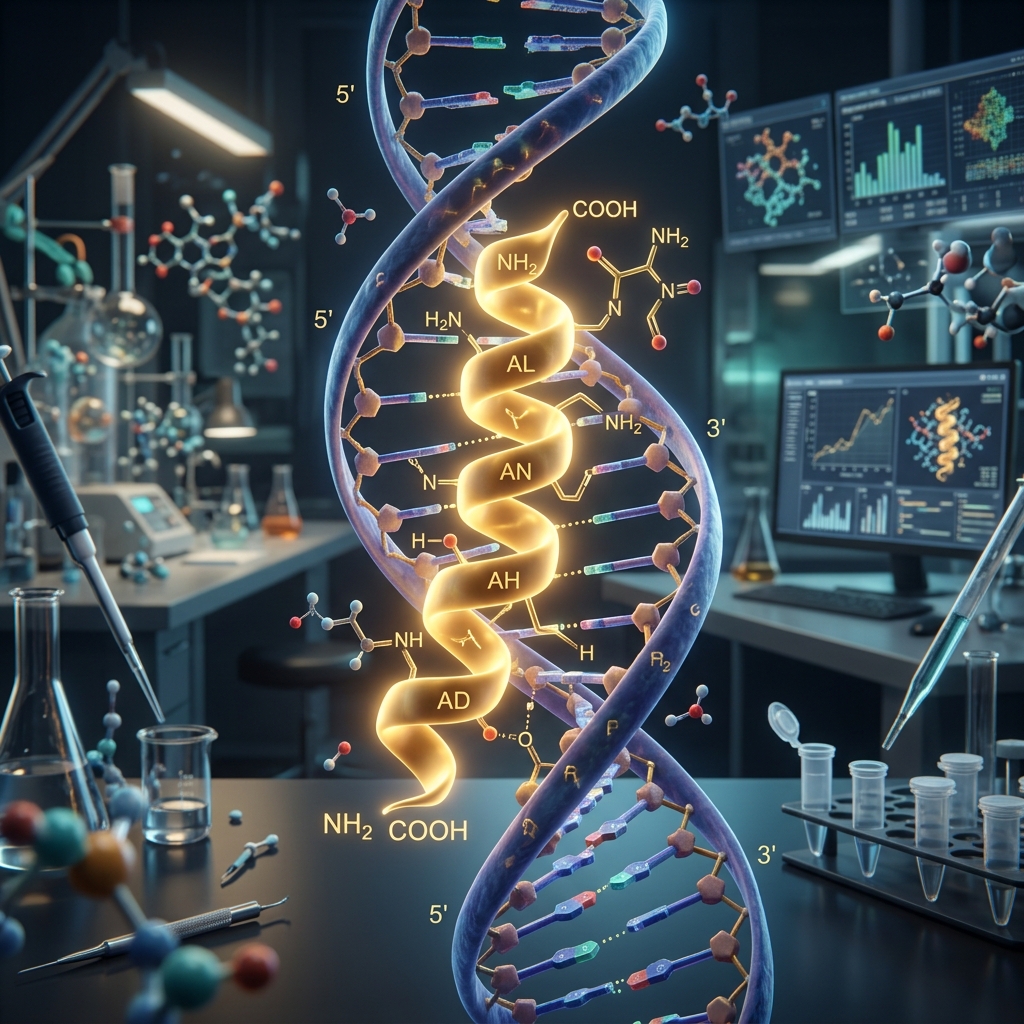
From a biochemical perspective, Khavinson peptide bioregulators operate via a profound epigenetic mechanism. Consisting of only two, three, or four amino acids, these short peptides are small enough to cross the cellular membrane and the nuclear envelope without being degraded by lysosomal enzymes. Once inside the nucleus, they interact directly with the double-stranded DNA molecule. Rather than altering the genetic code itself, these peptides bind to specific promoter regions in the major and minor grooves of the DNA helix. This binding event induces a local conformational shift, uncoiling the tightly packed heterochromatin and making the gene sequences accessible for transcription factors. Consequently, genes that had been silenced due to age, environmental stress, or cellular fatigue are reactivated, leading to the synthesis of functional proteins, restoring cellular homeostasis, and delaying senescence.
To counter this age-related immunological decline, the thymus peptide bioregulator Vladonix offers a targeted physiological solution. By delivering young calf-derived thymus peptides directly to the immune system, Vladonix stimulates the differentiation of pluripotent stem cells into functional T-helper, T-cytotoxic, and regulatory T-cells. This peptide bioregulator epigenetically enhances the expression of key receptors on the surface of developing lymphocytes, accelerating their maturation and restoring a youthful helper-to-suppressor ratio. The clinical administration of Vladonix has been shown to enhance antibody production, restore peripheral lymphocyte counts, and significantly bolster systemic defense mechanisms. Whether deployed as a preventative geroprotective therapy or as a supportive agent during recovery from viral or bacterial illness, Vladonix acts as a crucial pillar for cellular immune defense.
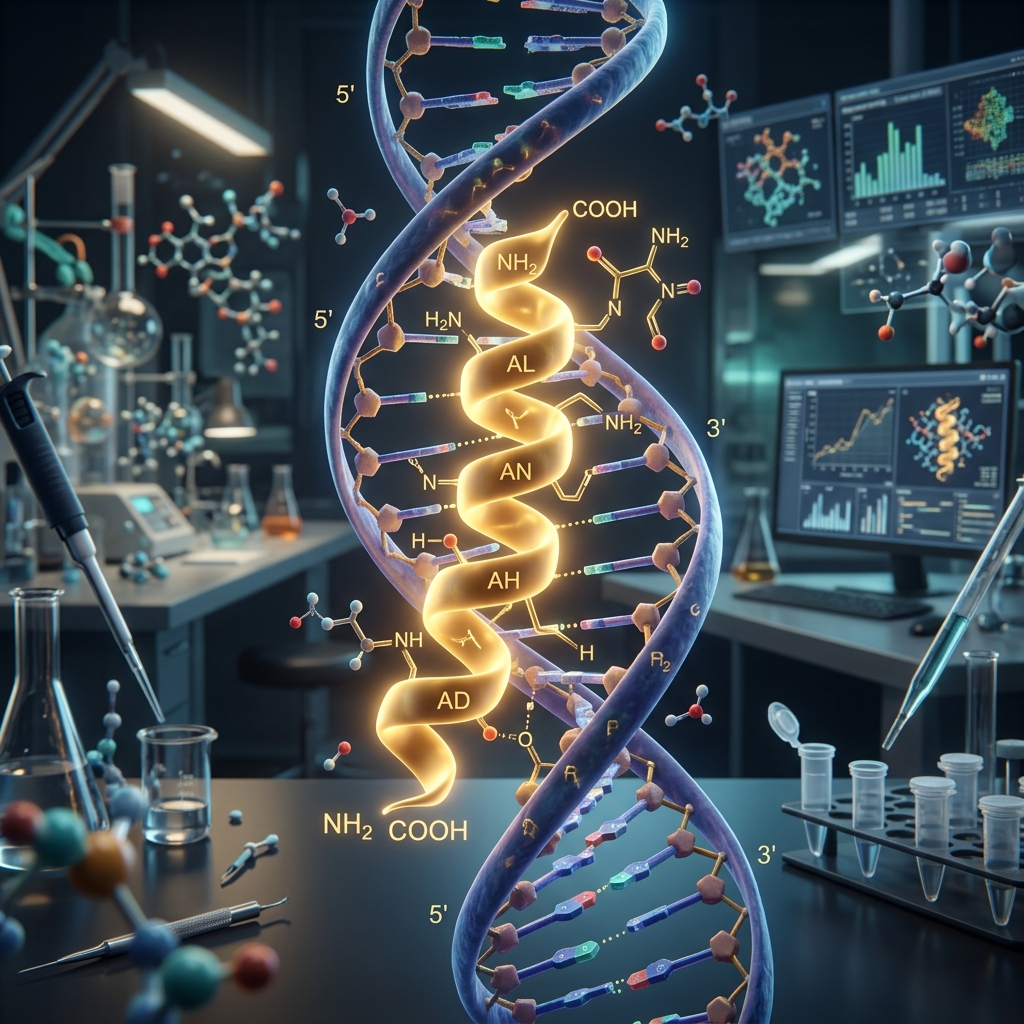
Figure 1: Cellular regulation mechanism showing DNA-binding and transcription activation optimized by Cerluten.
The Peptide Bioregulator Solution: Focus on Cerluten
For comprehensive cognitive support and neuroprotection, the brain peptide bioregulator Cerluten provides a highly targeted approach. Consisting of short neural peptides that easily cross the blood-brain barrier, Cerluten targets the neurons of the cerebral cortex and subcortical structures. Once inside these cells, the peptides stimulate the epigenetic activation of genes governing ribosomal translation and structural protein synthesis. Cerluten enhances synaptic transmission, supports the myelination of nerve fibers, and promotes glial cell health, which is essential for nutrient delivery and waste clearance in the brain. Clinical observations have shown that Cerluten improves memory retention, mental clarity, and attention span in older adults, while offering crucial support during recovery from traumatic brain injury, stroke, or cognitive decline.
In Khavinson's clinical protocols, the ultimate strategy for healthy aging involves the synergistic use of multiple peptide bioregulators, known as the Longevity Triad. This stack typically combines Endoluten (pineal gland), Vladonix (thymus), and a third, tissue-specific peptide selected based on individual physiological needs—most commonly Cerluten (brain) or Ventfort (blood vessels). By targeting the endocrine, immune, and nervous/vascular systems simultaneously, the Longevity Triad addresses the three primary pillars of systemic aging. The pineal peptides reset biological rhythms and hormone levels, the thymus peptides restore immune surveillance and reduce chronic inflammation, while the vascular or neural peptides maintain the vital circulation and cognitive networks required for optimal multi-organ function and biological vitality.
A key advantage of Khavinson peptide bioregulators over traditional pharmacological interventions is their exceptional safety and biocompatibility profile. Because these ultra-short peptides are composed of natural amino acids and are identical to regulatory molecules natively present in the body, they do not trigger any immunological response or allergic reactions. Clinical studies spanning several decades have reported zero side effects, zero toxic accumulation, and no negative interactions with other supplements or medications. Unlike hormone replacement therapies, which can suppress the body's endogenous production, short peptide bioregulators do not replace hormones or proteins. Instead, they epigenetically stimulate the cell to restore its own natural production, ensuring a physiological, self-regulating, and safe therapeutic outcome.
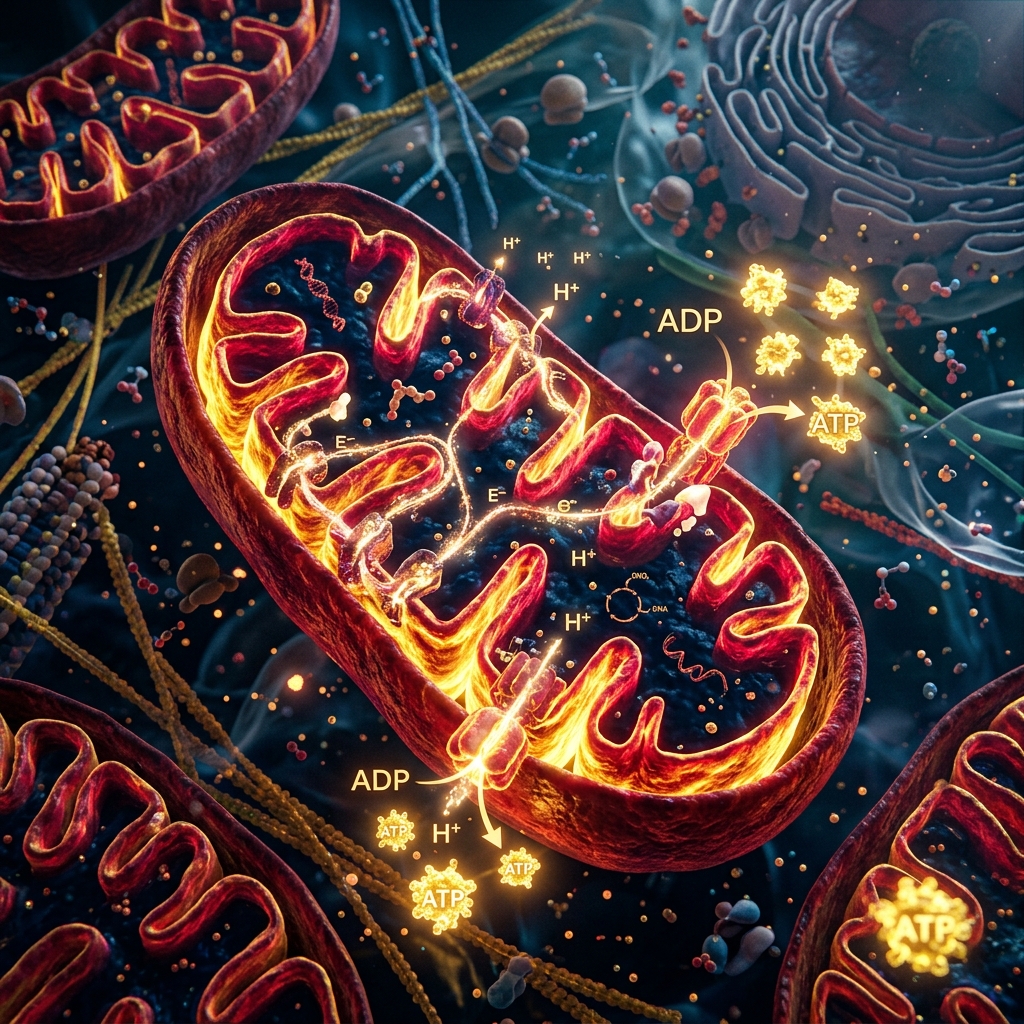
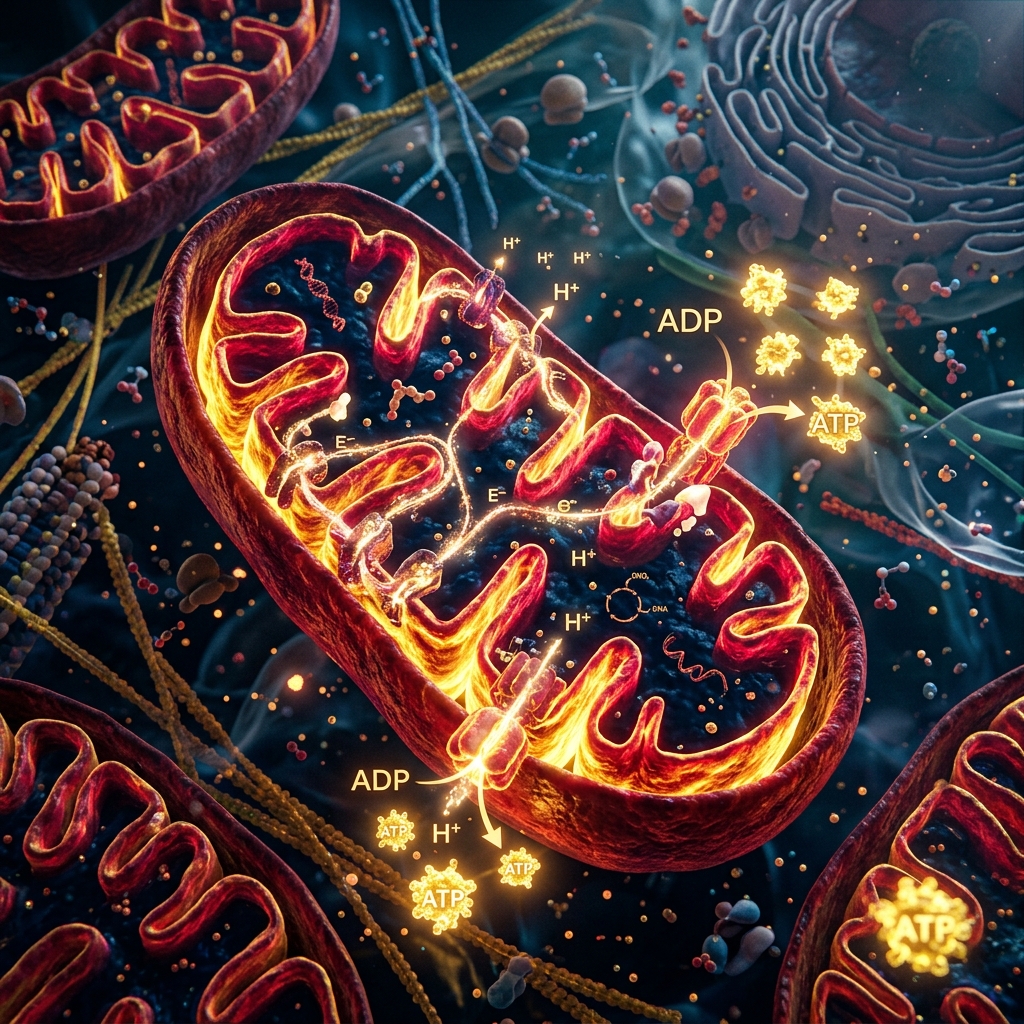
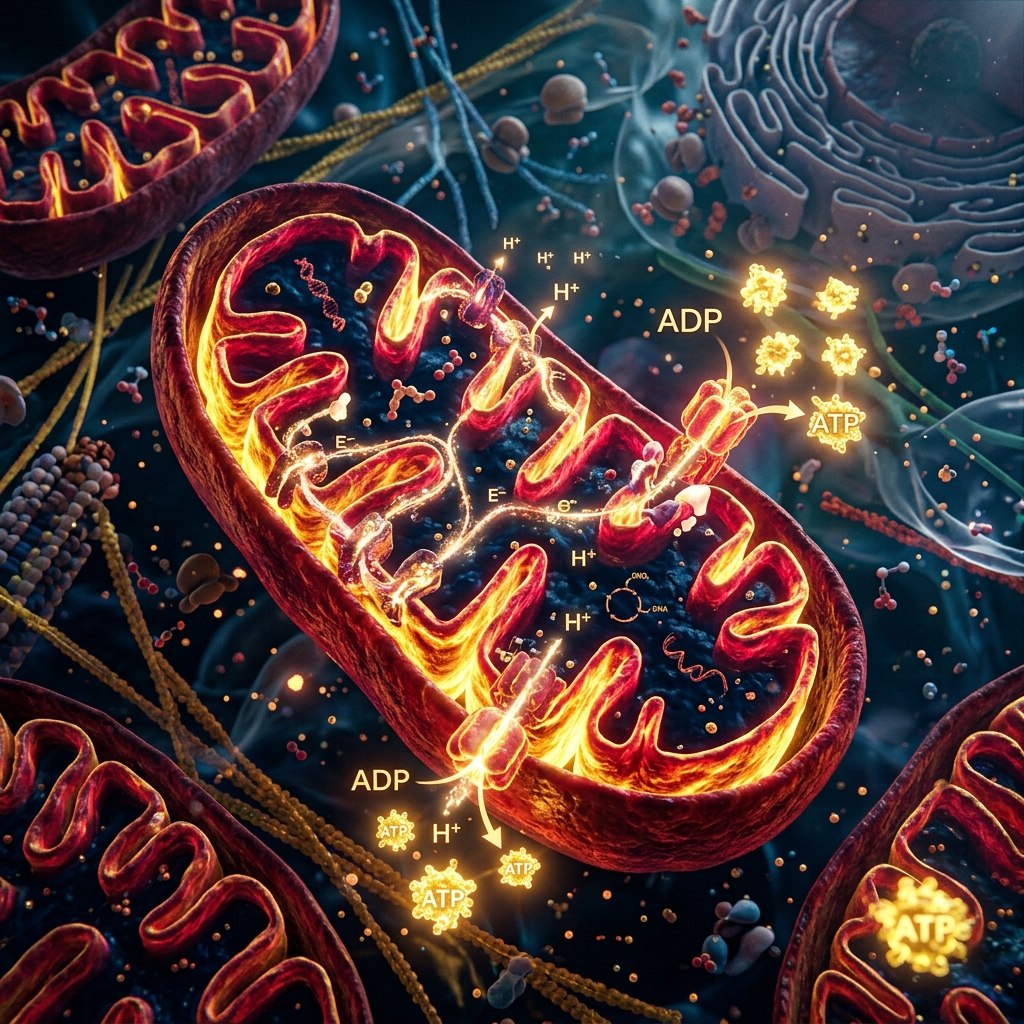
Figure 2: Cellular regulation mechanism showing mitochondrial respiration and energy optimization supported by Cerluten.
Scientific Studies and Clinical Evidence
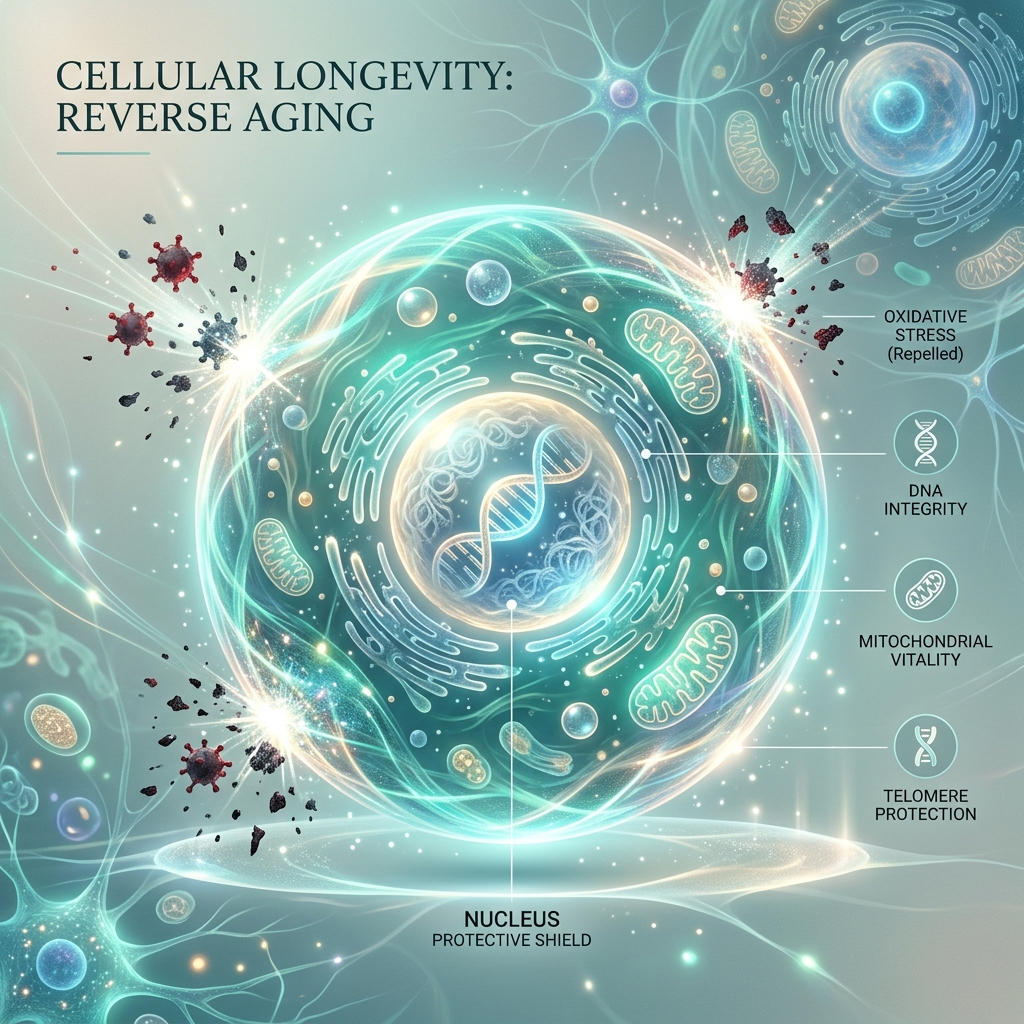
Cellular aging is intimately connected to the health and efficiency of the mitochondria, the organelles responsible for producing adenosine triphosphate (ATP), the primary energy currency of the cell. Over time, cumulative oxidative stress damages mitochondrial DNA and proteins, leading to a state of mitochondrial dysfunction characterized by decreased ATP synthesis and increased production of reactive oxygen species (ROS). This bioenergetic crisis leads to cellular fatigue, DNA damage, and apoptosis. By epigenetically restoring the synthesis of key respiratory chain proteins and antioxidant enzymes, Khavinson peptides help revitalize mitochondrial function. Cells regain their youthful energy capacity, metabolic efficiency is optimized, and the cellular burden of oxidative stress is significantly reduced.
While Khavinson peptide bioregulators are highly potent epigenetic signaling agents, their therapeutic efficacy is maximized when integrated into a comprehensive, holistic healthy aging program. Epigenetic signaling requires the presence of adequate nutritional building blocks, cofactors, and a supportive cellular environment to translate DNA activation into structural regeneration. Therefore, combining peptide protocols with a nutrient-dense diet, targeted micronutrient supplementation (such as NAD+ precursors, vitamin D, and methyl donors), regular moderate physical exercise, adequate sleep hygiene, and stress mitigation techniques creates a powerful, multi-dimensional synergy. In this holistic framework, peptides serve as the master key that unlocks the body's innate cellular intelligence for longevity.
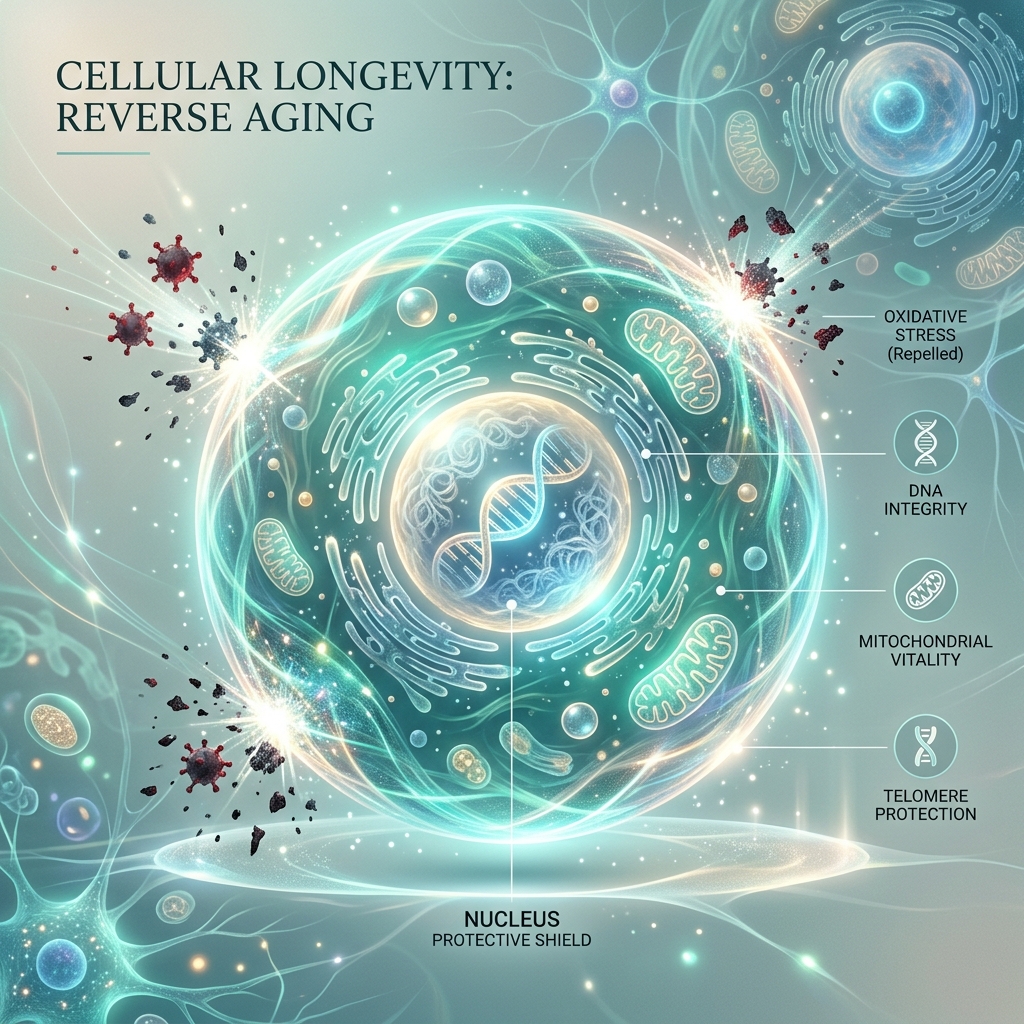
Figure 3: Cellular regulation mechanism showing oxidative stress shielding and cellular lifespan extension.
Recommended Protocols and Synergies
It is crucial to distinguish Khavinson's short peptide bioregulators from conventional long-chain proteins or standard dietary collagen. Large protein molecules, when ingested, are broken down by gastric juices and pancreatic peptidases into individual amino acids, losing their biological signaling capacity. They are used by the body simply as nutritional building blocks. In contrast, short di-, tri-, and tetrapeptides are highly stable and resistant to digestive enzymes. They pass through the gastrointestinal wall intact via active peptide transporters (such as PepT1) and enter the bloodstream. From there, they migrate to their target organs, cross cell membranes, and enter the cell nuclei to perform their epigenetic signaling, making them highly bioavailable oral therapeutic agents.
The biological clock that governs cellular division and aging is controlled by a delicate interplay between circadian gene expression, chromatin structure, and telomere maintenance. As these systems degrade, cells lose their functional identity and either enter senescence or undergo oncogenic transformation. Khavinson peptide bioregulators act as master regulators of this cellular clock. By binding to DNA, they restore the rhythmic expression of clock genes and reactivate silent chromatin domains, essentially winding back the molecular clock of the cell. This comprehensive cellular restoration explains why peptides have such a broad, systemic impact on healthspan, offering a sophisticated, scientifically validated approach to reversing the biological markers of aging.

Figure 4: Cellular regulation mechanism showing neuroendocrine harmony and circadian clock alignment.
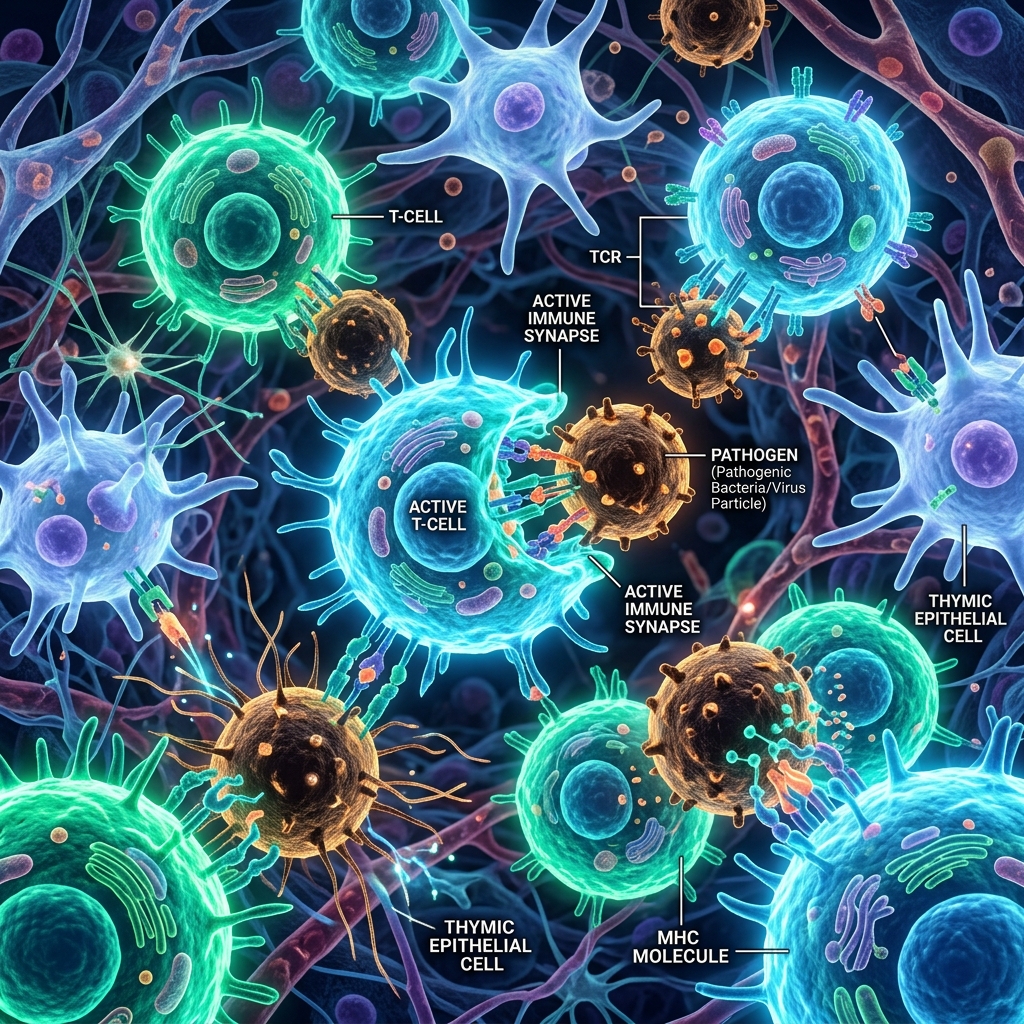
Figure 5: Cellular regulation mechanism showing immune system maturation, lymphatic defense, and thymic resilience.
Conclusion
To conclude, optimizing cellular bioenergetics and preserving mitochondrial health are absolutely vital for whole-body longevity. Khavinson's peptide bioregulators, such as Cerluten and Vladonix, provide a scientifically proven, elegant method to epigenetically support the cell's respiration and energy systems. By restoring tissue-specific protein synthesis and reducing the heavy burden of oxidative stress, these short peptides protect cells from entering a senescent state. Deployed as part of a comprehensive longevity shield, they pave the way for a vibrant, energetic, and highly resilient life.